

Want to be part of unique career conversations?
Signup now to start exploring fresh perspectives from The Ken’s community
A retail investor in India has no shortage of opportunities and support today. There are more instruments to pour capital into than a few years ago, and platforms offer analytical tools to give users a leg up—if they know how to use these features.
That hasn’t made investing easier. There’s immense volatility. Many stocks have shallow liquidity. Easy money is no longer easy to get. And some age-old advice no longer applies.
But there isn’t a roadmap for retail investors who are trying to keep up with the markets.
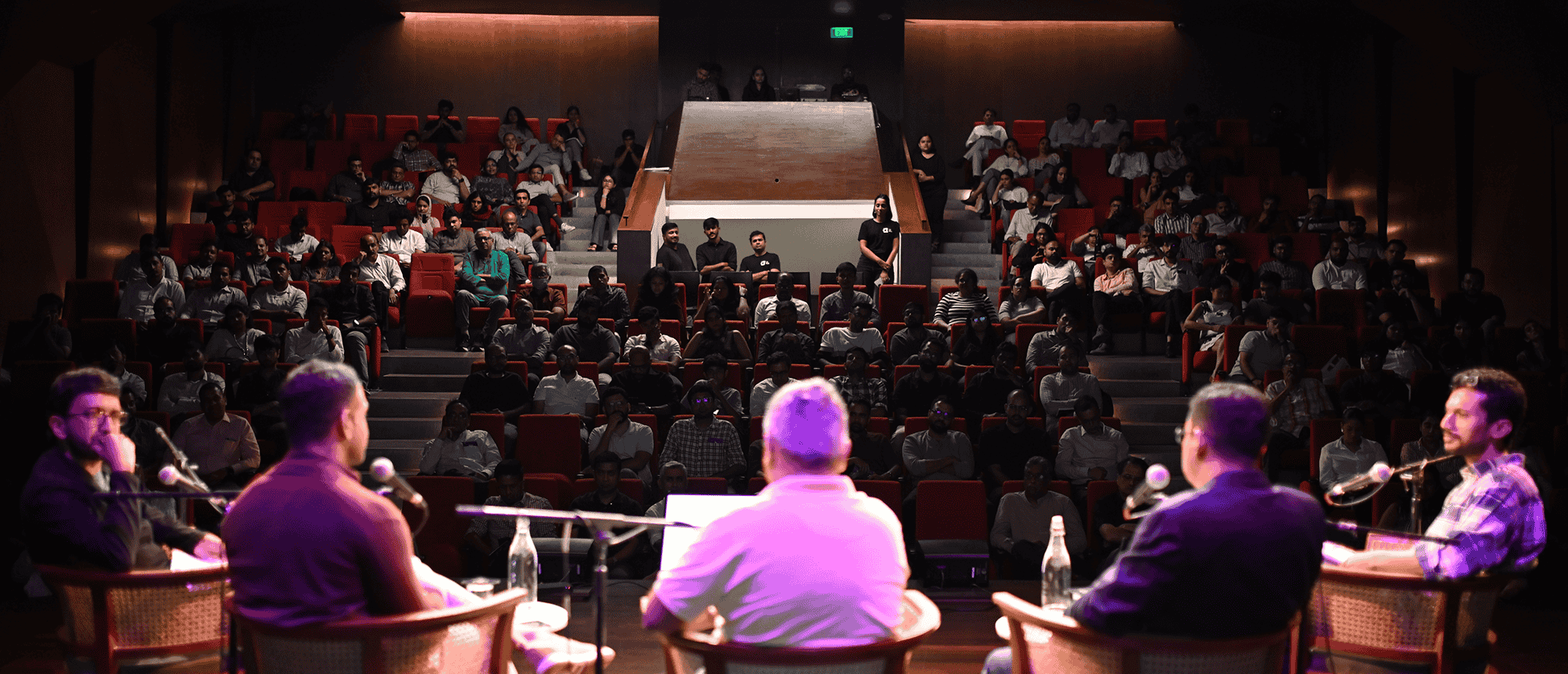
The Ken’s Beyond the First Order event convened in May 2025 with Nithin Kamath, the CEO and co-founder of Zerodha; Deepak Shenoy, the CEO and founder of Capitalmind; and Avinash Luthria, an outspoken hourly-fee financial planner and SEBI-registered investment advisor. The panel offered their thoughts on how to think about investing, wealth, and India’s stock markets, covering a range of themes that touched upon the strategies and tactics to make it through the next few years, as well as their personal experience as professionals in different corners of finance and investments.
We invite you to continue the conversation.
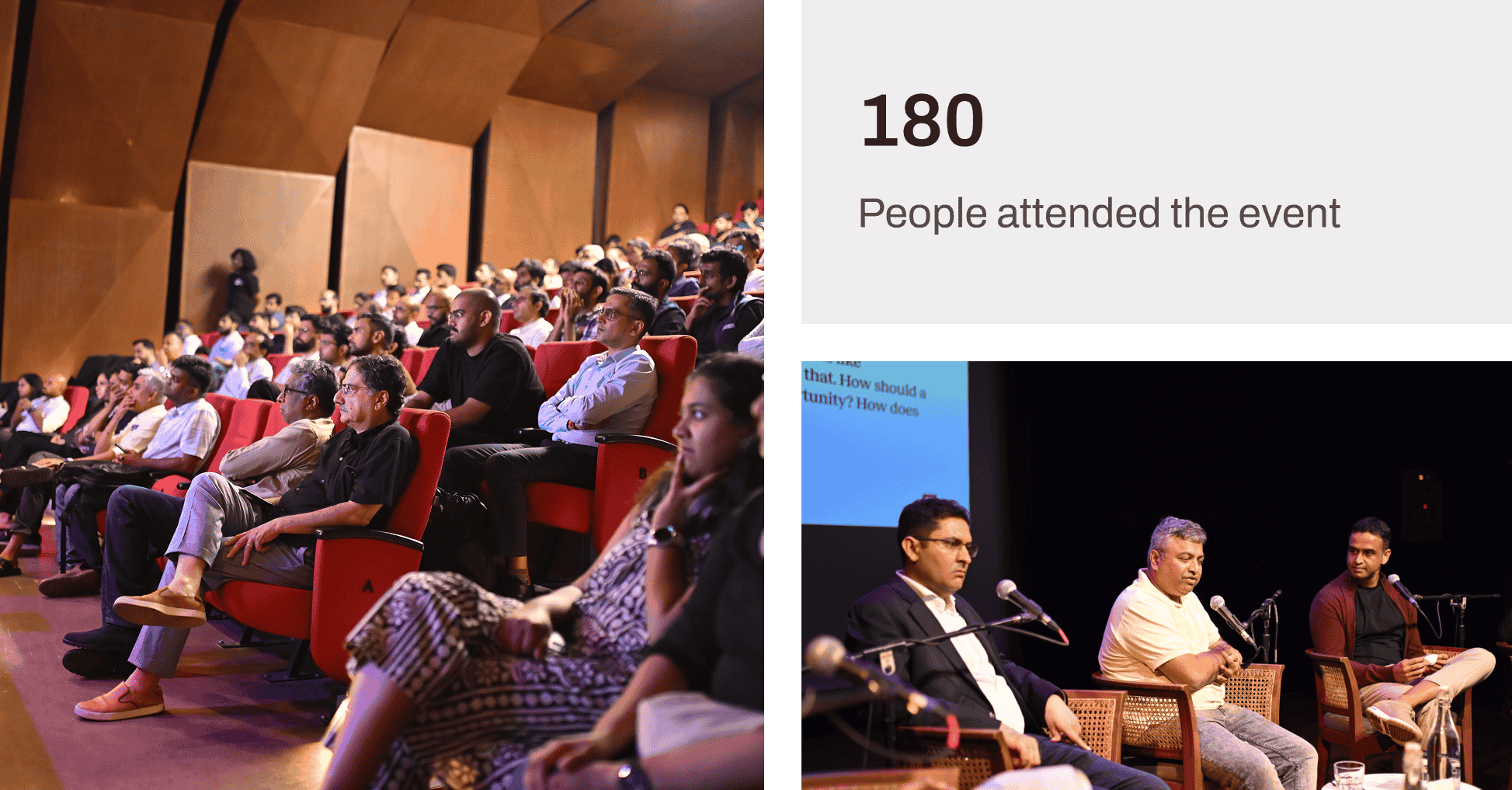
3 Speakers
Each speakers with diverse set of knowledge, and expertise.
Mental Models and First Principles
Every investor has their own thesis, but some fundamental principles concepts stay true forever. Being able to nail them down could make a huge difference in the long run.
Q 1. Almost everyone receives the same investment advice: start early, diversify, passive ETFs are the best way to go. All of that might have been true in the past, but that may no longer be so. How should one go about rethinking their investments?
Q 2. The way gold and bitcoin have performed against equities breaks some conventional wisdom. What would an updated set of mental models for investments look like?
Nithin Kamath Guest Speaker
Bitcoin is a no-go because there’s no regulation in India for it. Gold is part of diversification. If an advisor didn’t bring up gold, he was not advising. You have to diversify; the price doesn’t matter. View more responses
Q 3. What are the principles of investing that won’t change over the next 10 years?
Deepak Shenoy Guest Speaker
There isn't a given or a constant. You’re playing the games of probability all the time. It’s always calculated bets. In 2013, there was the taper tantrum. Stocks were going to hell. Markets had fallen by 30%. The overnight interest rates were 12%. And guess what? Things got better. There was the Russo-Ukrainian war in 2014, and then things got better and then there was 2016’s demonetisation. As a fund manager, you have to be inherently optimistic that the future will be brighter than today. As people get more money, the one thing they will do is spend. But this does not mean that stock X or stock Y will make more money. Here’s an example: if you go to the supermarket today, you’ll find that there are at least 40 different brands of noodles. About 10 years ago, there were two or three. There are more choices now because more people are producing. That means the profit pool is split across multiple companies. So, you can have an India where the GST is increasing, the overall consumption is increasing, but each player is actually making less profits because the pool is distributed across more players. In the stock market, you won’t be able to predict who wins. You’ll have to diversify. “India will make more”—this is a theme I’m betting on. But I can’t say that this will last 10 years. When the data changes, I have to change. View more responses
Q 4. What might disrupt the trajectory of the Indian stock market’s growth over the past decade? Should we be more critical and frequent in re-evaluating our portfolio mix?
Q 5. What’s a good way to utilise time and money while minimising regret, given our needs and demands change over time?
Q 6. Corrections in the Indian stock market appear to be hampered by domestic capital inflows, leading to overvalued stocks. If this is the norm, then how should we assess the value of a stock?
Deepak Shenoy Guest Speaker
A drop doesn’t necessarily mean there are good corrections. Many stocks dropped by 60%, but they were still too expensive, and now they’ve rebounded. Meanwhile, there are some stocks which are perennially cheap. There is one company that makes coal. It’s got a single-digit price-to-earnings ratio, and it’s the coal monopoly in India. If you look at it on the surface, it’s cheap, but it’s been cheap forever. It changes between expensive-cheap and cheap-cheap. You can always find something that looks cheap based on the metrics you choose. View more responses
Q 7. If your investment portfolio could send you passive-aggressive texts about missed opportunities in the Indian market, what would it say?
Asset Classes
India’s retail investors can invest in more ways than ever before. It’s important to know how to make sense of the opportunities.










Deepak Shenoy Guest Speaker
Founder & CEO, Capitalmind
This is interesting because all these things have not been true in the past, and all of them are not good advice because they're generic in nature. “Start early”—many of you can't. I started my career earning 7,000 rupees. If you asked me to do SIP at that time, I would have laughed at you. You can start anytime in your life. You should invest in yourself. Maybe get yourself another degree or take a course. That's actually better than going into stock markets. And then, you want to build yourself a house. You’ll end up with an EMI, which kind of takes over your life for a while, so you don't really have money to invest until you're in your mid-30s. Maybe that's the start, and then diversify, and concentrate on what you can control. View more responses