The Ken’s Case-Build Competition 2025
How Students Are Attacking
India's Biggest Companies Using AI
1000+ teams from 127 colleges in an unprecedented competition — showing us what real AI-powered disruption looks like across every sector.
To track your gifted subscription, go to your Account Settings 
We’ve emailed your gift link. Want us to send some more?
0 of 0 Subscription available
Not now, thanksHow Students Are Attacking
India's Biggest Companies Using AI
1000+ teams from 127 colleges in an unprecedented competition — showing us what real AI-powered disruption looks like across every sector.
Want to be part of unique career conversations?
Signup now to start exploring fresh perspectives from The Ken’s community
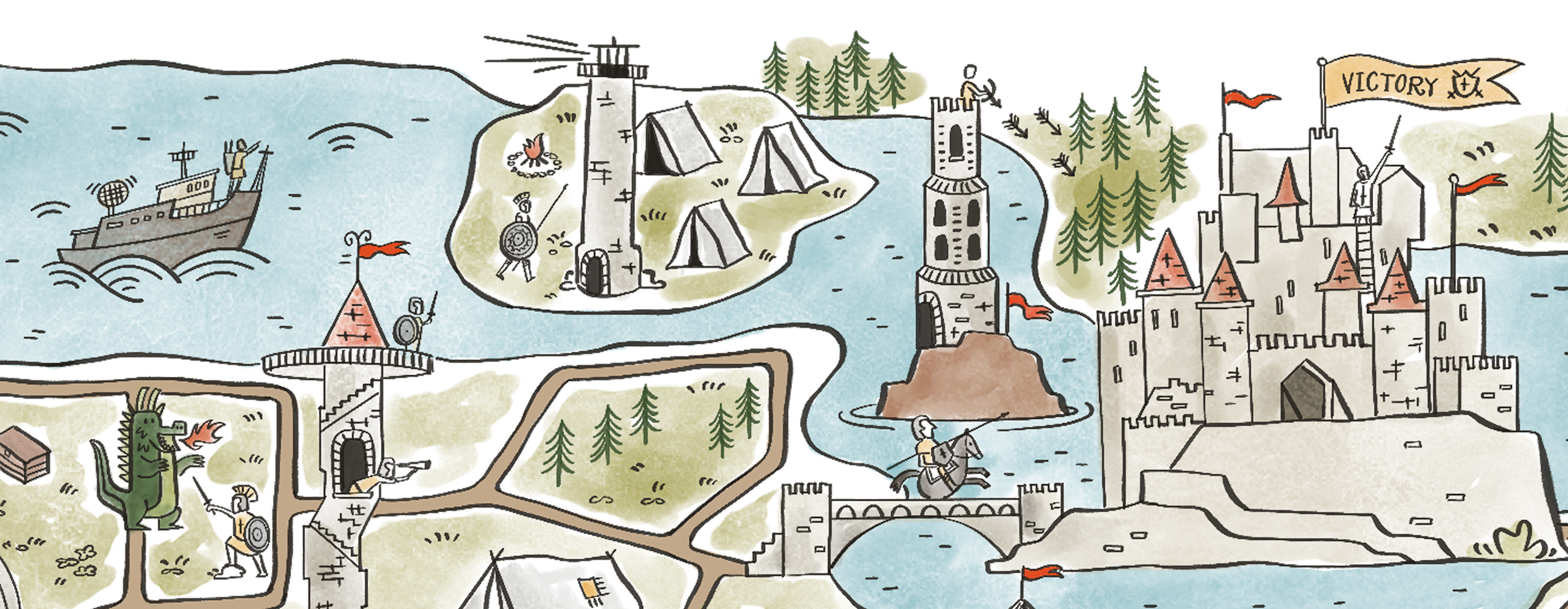
I want you to imagine a scene.
It's a vast grassland. Large beasts dominate the landscape. Then suddenly, from nowhere, fast animals sprint across and leap at them. Slow and encumbered, the giants take time to respond. They are big, but the attackers are fast. They strike, bite deep, then fall back. Waiting. Watching for the next opportunity. Who eventually wins?
Inside the boardrooms of India’s biggest companies, the question isn’t if disruption is coming—it’s where it’ll come from.
For a long time, leaders at these companies were primarily concerned with safer, more conventional interests: quarterly targets, strategy planning sessions, or sometimes, making an appearance on the right podcasts.
Then came AI. Suddenly, the world changed.
The questions that companies are asking themselves have also changed.
Across all types of industries and sectors, incumbents are waking up to a hard truth: they’re more vulnerable than ever. Small, scrappy, AI-first startups can outbuild, outcompete, and outsmart them.
This realisation is sinking in because some companies are recognising that we are entering an era of the great reset, one driven by artificial intelligence that is transforming how companies are built, how markets are defined, and how startups reach their customers.
Jeff Bezos once famously declared, “Your margin is my opportunity.” That is the old era. In the age of AI, the new opportunities lie in the inefficiencies of old, bloated incumbents holding onto customers who need more but don’t yet realize it.
This reset is also reshaping careers, as senior executives leave established firms to launch fresh ventures, spotting chances to build products from the ground up without legacy constraints.
The large beasts won't be killed by AI, but they'll certainly be hurt.
We wanted to get a glimpse of what this disruption will look like, so we placed a challenge to those who are best placed to take a shot at India’s top companies.
Students.
The "Case-Build challenge" is an evolution of The Ken’s Case Competition held last year, stepped up from a format that was both unique and powerful.
In most case competitions, students step into the shoes of a company and design a theoretical strategy to tackle a business problem.
Our competition inverts this.
This year, The Ken casts students as disruptors.
They get to decide which company to challenge and how they would do it. Actual real-world companies.
We asked them to analyse these companies to figure out their angles of attack. What parts of their business look the most vulnerable? What are their blind spots? At what specific points does their history become their weakness?
After studying the incumbent, we asked them to design the disruption.
So we challenged them to come up with detailed plans of how they’d use AI-first strategies to exploit the incumbents’ blind spots. Would they use AI to build a differentiated product, design, or marketing strategy—or a fundamentally better business model? How would they price it? Who would they partner with? How would they roll it out? How would they raise funding?
Then, one last step.
We asked them to actually build a prototype and landing pages for their products.
Traditionally, case competitions tested what students said they would do. AI enables them to actually do a lot of it. It makes “show, don’t just tell” possible.
After all, if AI can make anyone a builder, why can’t students be builders too?
Oh, and we added an incentive.
The prize: Rs 10 lakh in cash for the winning team.
All of this makes The Ken’s Case-Build Competition one of the biggest in India.
Case competitions in India typically belong to B-schools. But this time, we opened the case-build competition to all campuses across India. Why should “building” be exclusive to business school students?
If AI lets anyone build, we want everyone to build.
So, 1,084 teams from 127 colleges—spanning business, engineering, humanities, and law—took on the challenge.
Hover to see team count by college
We wanted a panel of judges that represented the spirit and scale of what we wanted to demonstrate with the Case-Build Competition. Thus, our jury includes some of the most successful leaders in India, across companies and sectors.

Sahil Barua is Co-founder and CEO of Delhivery. He is a leader who built a company that disrupted one of India’s oldest sectors, long ruled by legacy incumbents. He’s done this while running a publicly listed tech company. Few leaders can make the same claim.
Soumya Rajan is Founder and CEO of Waterfield Advisors, one of India’s leading independent wealth advisory firms, managing over $5 billion in client assets. By virtue of her position, Soumya has a breadth of knowledge across sectors, which makes her uniquely qualified to spot attacks.
Nipun Kalra leads BCG X for India—Boston Consulting Group’s dedicated unit focused on digital transformation and AI. He’s also a Senior Partner with decades of experience across a wide range of sectors and geographies. This gives Nipun a rare vantage point—seeing both the old world and the new.
Prof. Varun Nagaraj is Dean at SPJIMR. Prior to joining academia in 2021, he held senior leadership roles, including C-level responsibilities for venture-funded startups as well as public companies in the US. His three-decade industry career focused on driving product innovation in networking, data centre computing, IoT, and AI. Prof. Nagaraj calls himself a “pracademic”, and thus brings the academic rigor to the panel.
What surprised us most about The Ken’s Case-Build Competition was the competing teams’ choices of companies to attack, and which ones they ignored. When we announced the competition, we asked students to pick a real, established company they want to disrupt—whether it’s a market leader in fintech, a dominant player in e-commerce, a traditional bank, a consulting firm, or any other established player.
We intentionally kept this open-ended to see which companies they’re most eager to challenge.
Here were the 136 “companies” that these students picked to disrupt. The numbers in parentheses represent the number of teams that chose that incumbent.
Narayana Health (57) Zerodha (35) CBRE (25) McKinsey (8) MakeMyTrip (6) HDFC Bank (5) Workday (5) Byju's (4) Netflix (4) Sun Pharma (4) Swiggy (4) LIC (3) Myntra (3) Naukri.com (3) Practo (3) Zomato (3) Allen Career Institute (2) Amazon (2) Anatara (2) Apollo Hospitals (2) Blinkit (2) Bosch (2) CRISIL (2) Coursera (2) Google (2) Indiamart (2) Instagram (2) Larsen & Toubro (L&T) (2) LinkedIn (2) Motilal Oswal (2) Razorpay (2) SAP (2) SBI (2) Shaadi.com (2) TCS (2) Tinder (2) 100X.VC (1) 360One (1) APMC Agent Network (1) Agarwal Packers and Movers (APML) (1) Airbnb (1) Allied Universal (1) Amul (1) Anatomage Inc. (1) Apple (1) Asian Paints Ltd. (1) Bajaj Finance (1) Bajaj Finserv (1) Bloomberg (1) BookMyShow (1) Booking.com (1) Cadbury (1) Colgate (1) Cred (1) Crowdstrike (1) Cyril Amarchand Mangaldas (1) DMart (1) Delhivery (1) Deloitte India (1) Dentsu (1) Dezerv (1) Dhirubhai Ambani International School (DAIS). (1) District Courts (1) Drools Pet Food (1) EY India (1) Eklavvya (1) Eleven Labs (1) Emoha Eldercare (1) Facebook (1) Gap Inc. (1) General Insurance Council (1) GradeSense (1) Grant Thornton Bharat (1) Groww (1) Haldirams (1) Heads Up For Tails (1) Hindustan Unilever (1) Hotel chains (1) Housing.com (1) IBM Envizi (1) ICICI Lombard (1) IQGeo (1) ITC e-Choupal (1) Indigo (1) Ipsos (1) KPMG India (1) Khaitan & Co. (1) LocoNav (1) MRF (1) Mahindra Powerol (1) Malabar Gold & Diamonds (1) Match Group (1) Max Healthcare (1) Medi Assist (1) Nestle India Ltd. (1) NielsenIQ (1) Nykaa (1) Odoo (1) Ogilvy (1) PharmEasy (1) PhysicsWallah (1) Portea Medical (1) Porter (1) Qure.ai (1) Reliance Retail (1) Salesforce CRM (1) Samsung (1) Saville & Holdsworth Limited (1) Star Health & Allied Insurance (1) Synopsys (1) TIME (CAT coaching) (1) TVS Motors (1) Tableau (1) Tally (1) Tata Motors (1) The Ken (1) ThirdBridge (1) Times Group (1) Traditional Temple Economy (1) Travelduniya (1) UGRO Capital (1) Uber (1) Unacademy (1) Unstop (1) Upwork (1) Urban Company (1) Vakilsearch (1) Voltas Ltd. (1) WedMeGood (1) WheelsEye (1) Wysa (1) ZARA (1) Zepto (1) Zillow Group (1) Zoom (1) upGrad (1)
These choices reveal what India’s college students view as the companies worthy to attack. Nearly every sector is represented—banking, media agencies, education, retail, OTTs, FMCG, logistics, and even global tech companies.
What’s more revealing is which companies were not picked.
Eight teams decided to disrupt McKinsey, but none picked BCG, Bain, or other strategy consulting firms. Deloitte is on the list, but Accenture isn’t. Two teams picked Amazon, but none targeted Flipkart or Meesho. Global SaaS companies like Salesforce and Workday made it onto the list, but Indian SaaS companies like Freshworks and Zoho did not. International brands like Gap and Zara are targets, but Indian apparel brands didn’t spark interest. In FMCG, the focus seems to shift more towards Indian consumer brands such Colgate, Cadbury, and Amul.
The breadth of selections also made the evaluation process much more fascinating—with teams picking offbeat options like Indigo, Dhirubhai Ambani School, the traditional temple economy, Agarwal Packers and Movers, and even The Ken.
But three companies stood out: Narayana Health, CBRE, and Zerodha drew far more attention than anyone else.
There’s a reason why.
After we announced the Case-Build Competition, some companies reached out to us to set themselves up as “volunteer targets”. CBRE, Narayana Health, and Zerodha confidently opened their doors, inviting participants to study them as potential disruption targets.
This was a rare opportunity: instead of working with limited public information, participating teams could gain unprecedented access to executive leaders’ perspectives. The volunteer case-subject companies committed their senior executives’ time to provide guidance, challenge the teams’ thinking, and give feedback on their approaches.
From the perspective of these companies, the process revealed two things—a confidence in their market positions and their eagerness to see how the next generation of entrepreneurs might approach their respective space. For participants, it meant access to information that would typically take months of research to gather, if it were available at all.
Thus, a significant number of teams picked these three companies to disrupt. We wrote detailed case studies of what these companies were experiencing, and the kind of disruption they expected. This served as the starting point for all the teams.
CBRE Group, Inc. is a leading global commercial real estate services and investment firm. It operates in over 100 countries, offering services such as property leasing and sales, property & portfolio management, valuation, investment advisory, and development consulting.
Read the case on CBRE
Narayana Health (formerly Narayana Hrudayalaya) is an Indian private healthcare chain founded by Dr. Devi Shetty. It runs a network of multispecialty and super-specialty hospitals across India (and one in the Cayman Islands), focusing on affordable, high-quality medical care.
Read the case on Narayana Health
Zerodha is India's second-largest stockbroker and a fintech pioneer. It serves millions of retail investors, offering zero-brokerage equity trading, derivatives and commodities trading, and more. By the time fintech companies started launching brokerage businesses in India, Zerodha was already deeply established and nearly impossible to dislodge.
Read the case on Zerodha
While submitting the solution in the first round, we asked teams to answer questions like which company their team would disrupt, and what made these companies vulnerable to disruption. They had to articulate their strategy. We even asked students to pick their “axis” of disruption across one of the following:
In addition, teams had to argue why these companies would not be able to replicate or defend against their strategy, what success looks like for them, and define milestones on their way to victory.
As the competition progressed, teams had to go deeper into the details, like how they’d raise capital, and what kind of partnerships they’d embark on to gain distribution.
Just like the companies themselves, the choice of partners are also quite revealing.
Zoho (5) NASSCOM (4) Apollo Hospitals (3) India Post Payments Bank (3) Razorpay (3) Cult.fit (2) HDFC ERGO (2) LinkedIn (2) Narayana Health (2) PharmEasy (2) Smallcase (2) Tally (2) Webflow (2) AWS (1) Abbott (1) Acko (1) Aditya Birla Health Insurance (1) Angel One (1) Apple / Google (1) Awfis (1) Ayushman Bharat Digital Mission (1) Bain & Company Alumni Network (1) BambooHR (1) Bechtel (1) Behance (1) Blackstone Group (1) Booking.com or Agoda (1) CAMS FinServ / FinVu (1) CBRE (1) CRE Matrix / CRE Lease Matrix (1) CREDAI (1) Canva (1) CoStar / LoopNet (1) CultFit Women's Community or PCOS Society (1) D2C Insider (1) Delhi University (1) Dermatology Clinics / Skin Labs (1) Dhruva Advisors (1) Discovery Vitality Model (1) District by Zomato (1) Dr. Lal PathLabs (1) Elsevier (1) Figma (1) Finshots / India's Top FinTech Communities (1) GOQii or Ultrahuman (1) GRESB / ESG & Sustainability Consultants (1) Polyclinic networks (1) Google Ads (1) Google Maps Platform (1) Guidepoint (1) Healthians (1) HealthifyMe (1) Holy Family Hospital, Bandra (1) Holy Spirit Hospital, Andheri (1) Honeywell Building Management Systems (1) ICICI Bank (1) ICICI Lombard (1) IIM Ahmedabad (1) IIM Ahmedabad or IIT Bombay (1) IIM Calcutta Alumni Network (1) IWG (1) IndiaMART (1) Indian D2C Network (1) Indigo (1) Instagram (1) JCB India (1) JLL Spark (1) Johns Hopkins University (1) Kaggle (1) Keka (1) Krsnaa Diagnostics (1) Medical colleges and doctor associations (1) Mailchimp (1) MakeMyTrip (1) MapMyIndia (1) Maruti Suzuki / Ola Electric (1) Meta (1) Metropolis Healthcare (1) Microsoft (1) Ministry of MSME (1) NAIOP India (1) NGOs Working in Patient Rights (1) NPCI (1) Naukri RMS (1) Notion (1) ONDC / Government (1) Ola / Uber / Rapido (1) Parivahan + FASTag Operators + State Traffic Police Systems (1) People Matters (1) Perfios (1) Planet Labs (1) Plum Goodness (1) Practo (1) Pratilipi (1) ReNew Power (1) Reddit (1) SBI Mutual Fund (1) SHRM (1) SIDBI (1) SINE (1) Salesforce (1) Sarvam AI (1) Savills India (1) Schneider Electric (1) Shopify India (1) Sify Technologies (1) Sify iTest (1) Slack (1) Smart City Mission / Local Development Authorities (1) Swish (1) TATA Steel / JSW (1) Tata 1mg or Diagnostics Network (1) Toptal (1) TradingView (1) Turnitin (1) TÜV SÜD (1) Uber (1) Unacademy (1) Unstop (1) Urban Company (1) VergeSense (1) Yardi (1)
Companies like Zoho, Urban Company, Blackstone Group, and Ola show up as organisations that teams would love to partner with, but not disrupt. On the other hand, some companies are incumbents for some teams and partners for others, such as Razorpay, HDFC, and Google. And then there are groups which teams see as channels to fuel their growth, specifically alumni networks and NASSCOMM.
Zoho (5) NASSCOM (4) Apollo Hospitals (3) India Post Payments Bank (3) Razorpay (3) Cult.fit (2) HDFC ERGO (2) LinkedIn (2) Narayana Health (2) PharmEasy (2) Smallcase (2) Tally (2) Webflow (2)
In the semifinal round, in addition to answering questions about their strategies, we asked students to put their plans into action. They were asked to make landing pages or prototypes of their products, as if they’re selling their services to potential customers in the real world.
The AI tools that teams used to build their product had an interesting distribution.

After three months of battle, IIM Ahmedabad's A team stood alone at the finale — winners of Case-Build 2025 and ₹10 lakh in cash prize.
The A Team is Disrupting:
Their Strategy
We turn expensive hospital bed-days into data-rich, AI-orchestrated home days, all packaged within a single, guaranteed-price treatment episode.
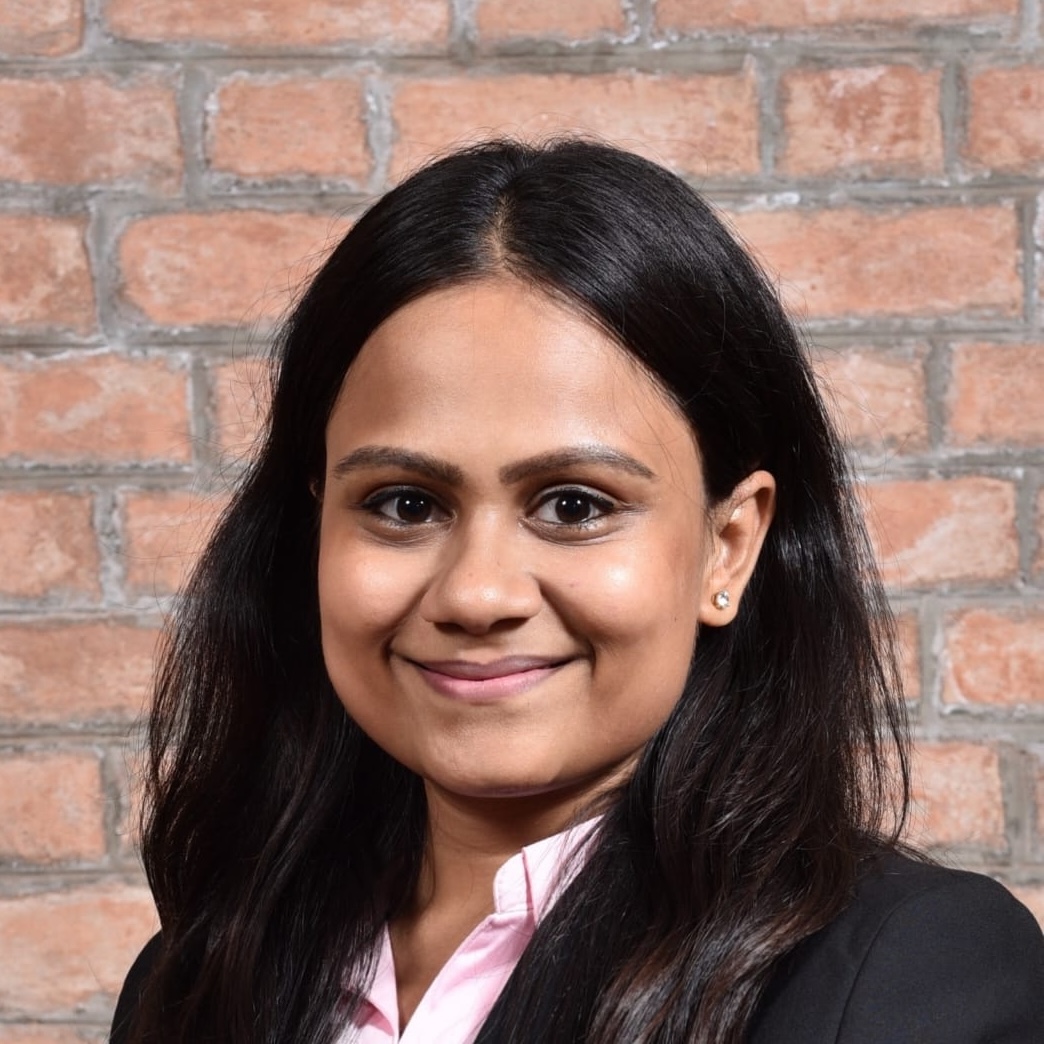 Muskaan Bhalotia
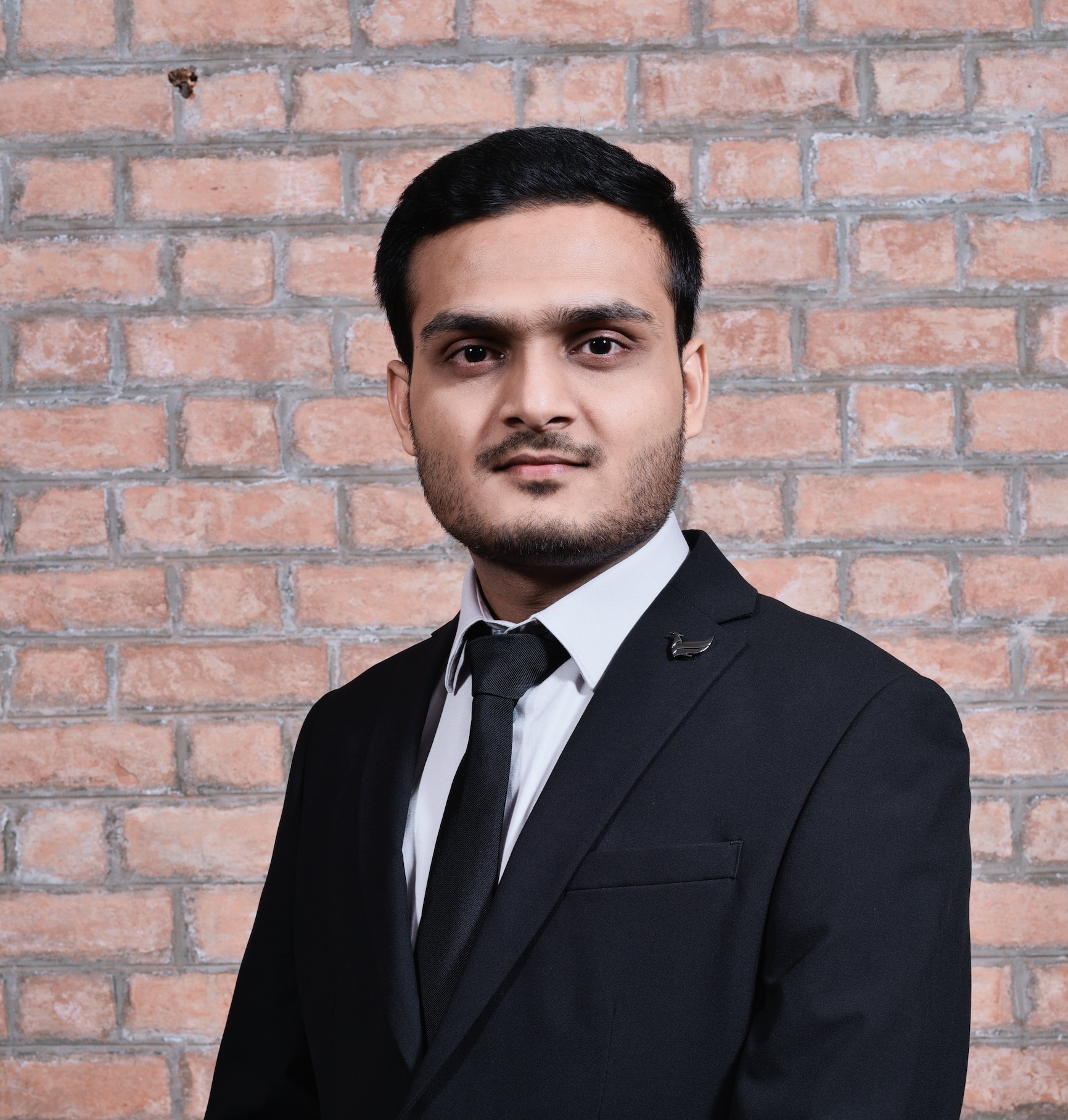 Jitesh Agrawal
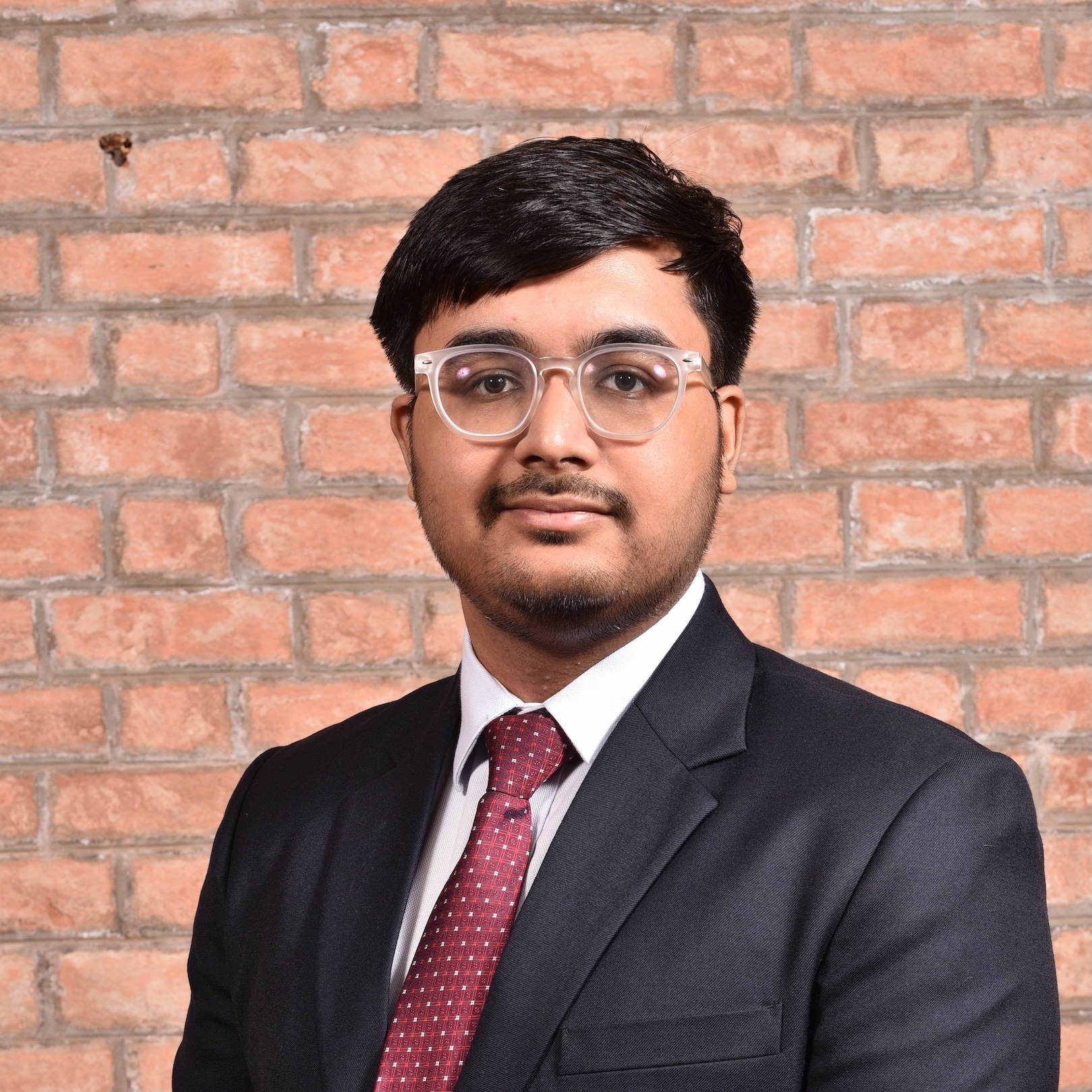 Vyush Agarwal
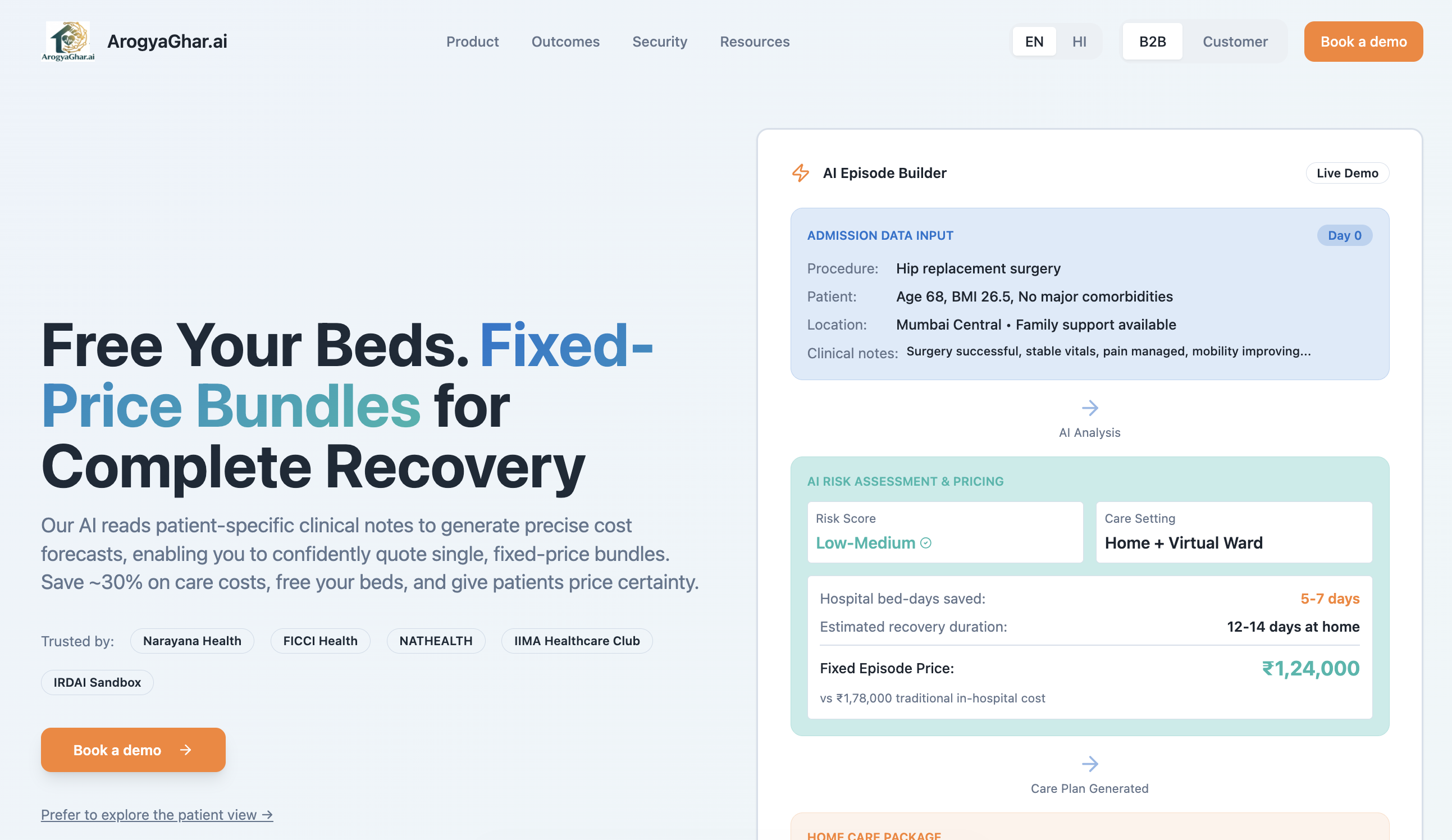
Narayana Health mastered low-cost, high-volume procedures but their financial model remains tethered to bed-days. Revenue, processes, and technology optimize for inpatient care while insurance models shift toward valuing entire patient journeys. Manual workflows in post-discharge care create massive value leakage that legacy systems can't address.
A B2B platform combining AI episode-pricing with Hospital-at-Home service. Fixed-price, risk-sharing contracts enable early discharge for post-surgical patients and complete at-home care for acute conditions. Virtual wards reduce Narayana's costs, free bed capacity, and create proof-of-concept to secure insurer contracts that steer volume toward bundled-care networks.
To see the actual case-builds, you can head over to the submissions page.

By continuing, you agree to our Terms of Service and Privacy Policy

“There's no greater gift than thinking that you had some impact on the world, for the better.”
– Gloria Steinem

Our anti-piracy system has flagged your account for suspicious activity and has temporarily paused your account. This may happen due to a number of reasons.
If you think that this was done in error, please get in touch with us at [email protected].