25 Jan, 26

A complex system with feedback loops that pulls us towards a future we imagine possible
To track your gifted subscription, go to your Account Settings 
We’ve emailed your gift link. Want us to send some more?
0 of 0 Subscription available
Not now, thanksA community-powered Sunday newsletter on mental models, self-reflection, learning, growth, photos, books, and more
A complex system with feedback loops that pulls us towards a future we imagine possible

What is our “favourite thing”? How many of us truly know it?
Alas, our education systems not only not de-emphasise teams and collaboration, but often actively discourage them

This year I decided to use January to plan better for the rest of the year

The themes that stayed close to me
A slow Sunday

Magic is in the air

Our lives can be visualised as waves that rise and fall

Also featuring the First Principles Albums Only playlist

Fault lines are appearing

A beacon of classic, old-fashioned values

How do we break out of this doom loop?

It is very much a key skill for leaders.
It’s what defines many of us at The Ken who enjoy working here

We’ve introduced a bunch of new features and categories this year

Presenting insights from The Ken’s 2025 gifting survey

Your weekly dose of book recommendations and pictures from the First Principles community
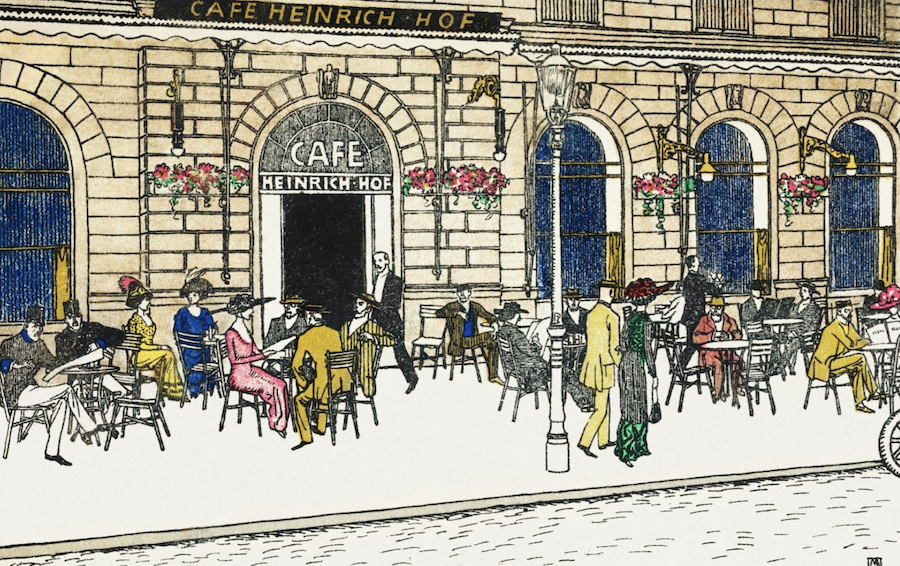
When you’re young, you dream of it. As you get older, you begin to dread it

What we love, hate, and are curious to learn about coffee. And much more

Why we need the mental discipline to pace ourselves for the long run

A college degree is no longer a guarantor of either a great first job or a reliable career
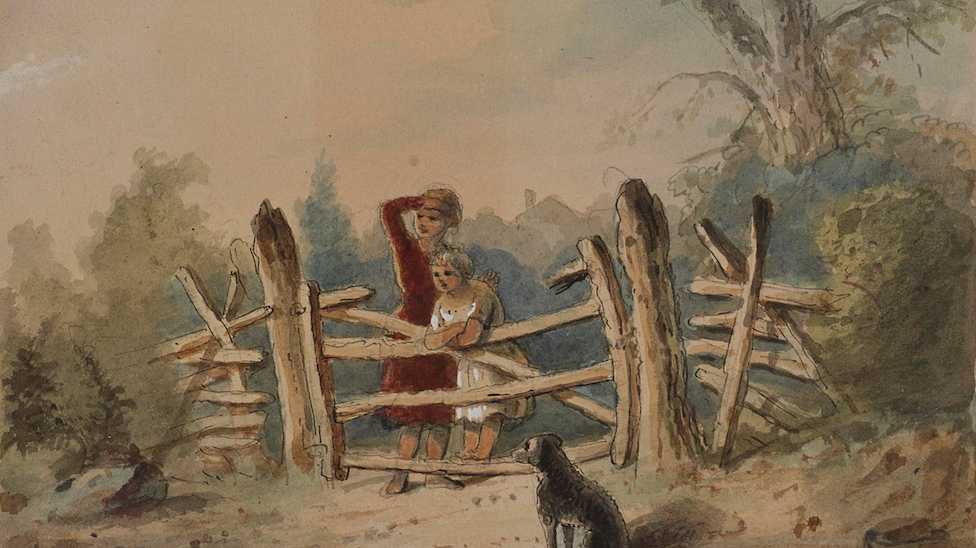
The best people are in jobs they aren’t looking to quit

Our ability to focus our attention, to be in the moment and to bring our whole self to the tasks that matter, will be our superpower
We’re refactoring and reimagining The Ken as we get ready for our second decade

Simply talking to someone can help you solve many problems, even if that someone knows nothing about your field

Keeping entropy at bay requires periodic refactoring

By “forcing” every node in the decision tree to be a “yes” or “no”, teams reach places where only subjectivity lies ahead. And that’s where their creativity and expertise come in

Nothing we observe or interact with is an absolute reality. Instead, each one is merely a unique perspective. Just because some perspectives are ours doesn’t make them inherently better
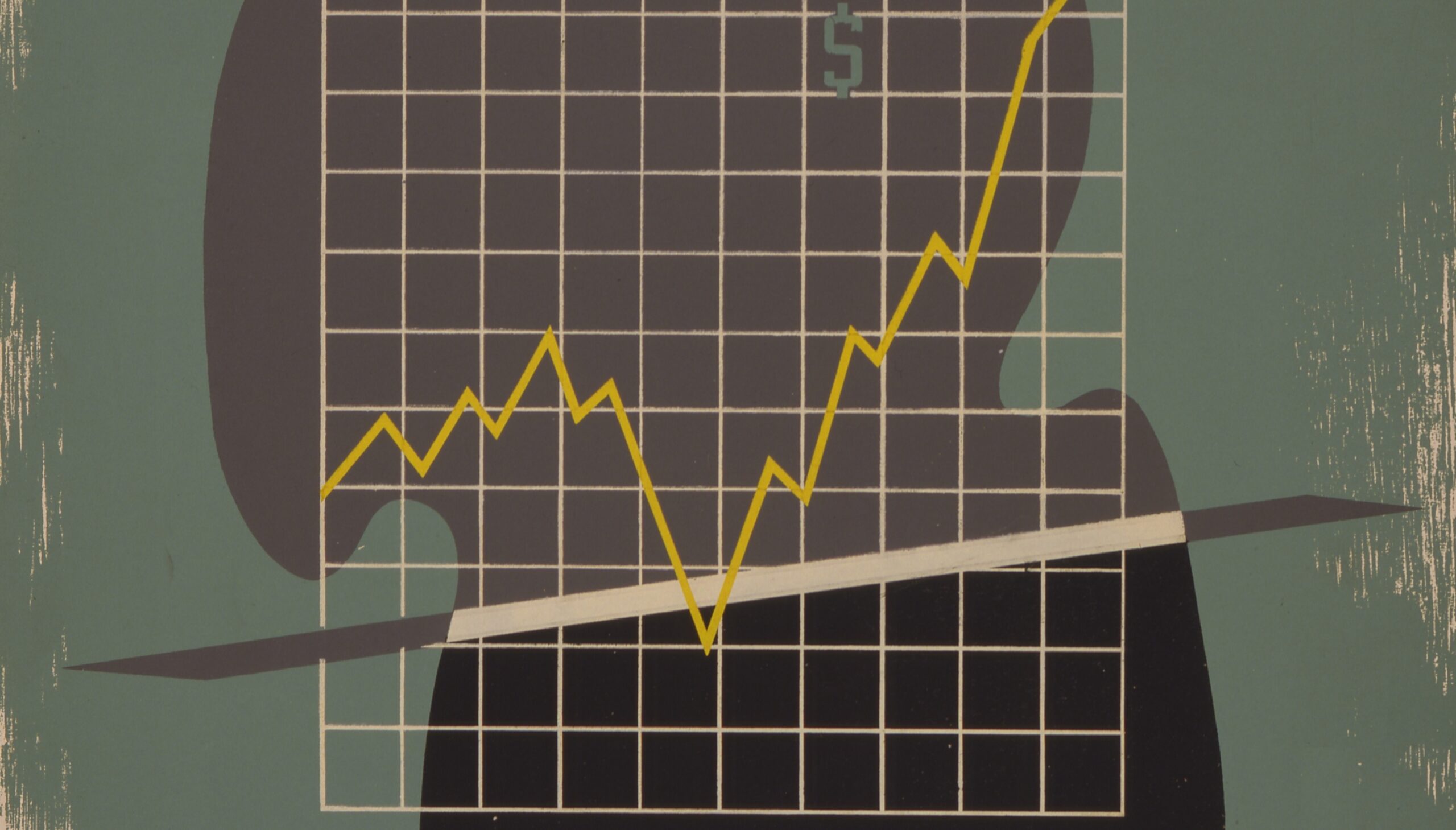
Which Effort-Reward curves should we stick with, and which ones we should learn to quit?
But do enjoy our weekly community book recommendations and photo album

Ambition without imagination is pointless today. Professionals who can situate their ambition at the intersection of imagination, possibility, and hope are what modern organisations seek
Are there any contrarian views you hold strongly around health, fitness, or wellness?
Your weekly dose of the First Principles community
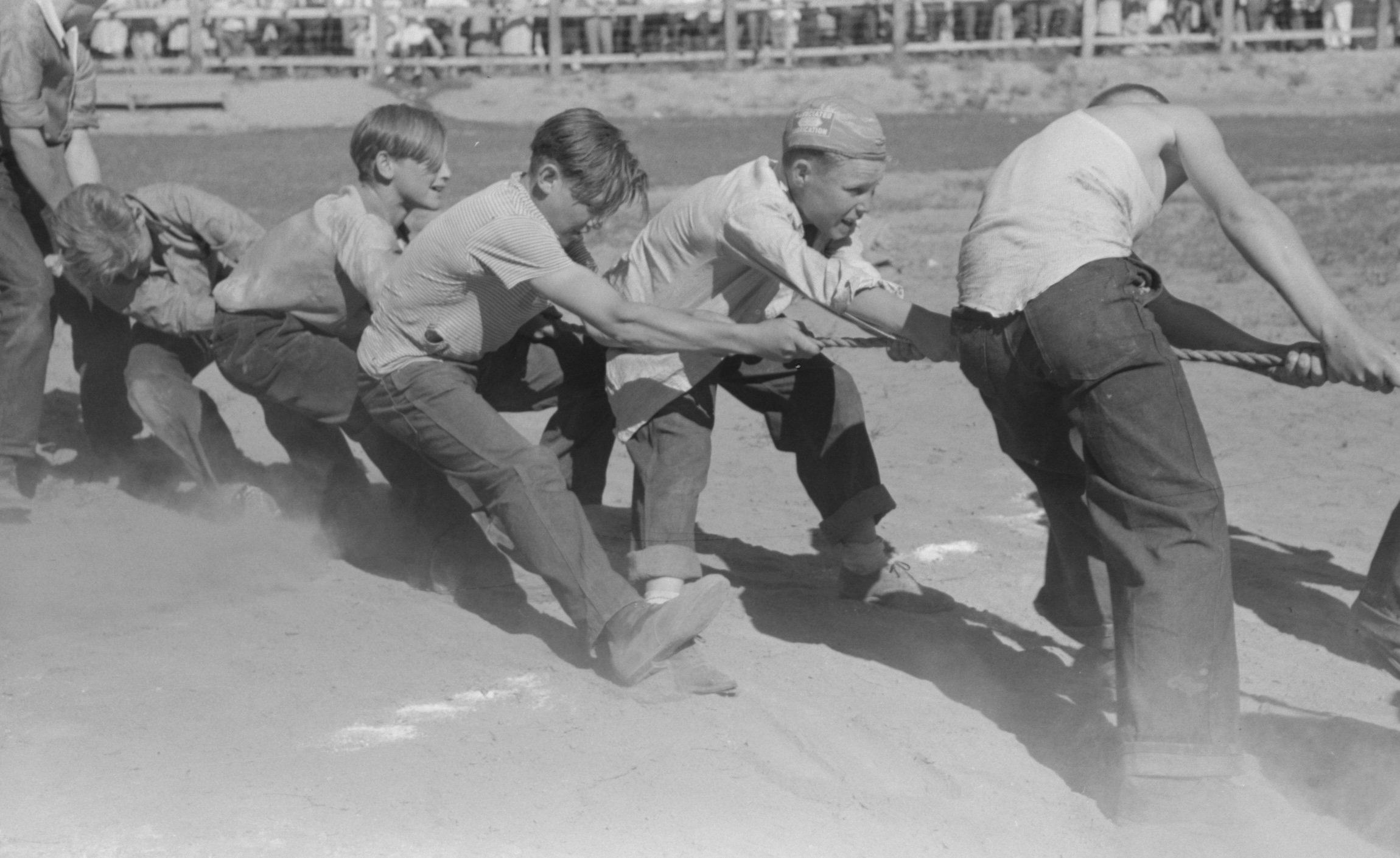
Diverse communities can be powerful sources of innovation. But not without doing some important things right

There is a world of difference between not failing and succeeding

When you’re the writer, it’s hard to maintain any distance or objectivity from what you’ve written. Editors, in contrast, can be coolly distant
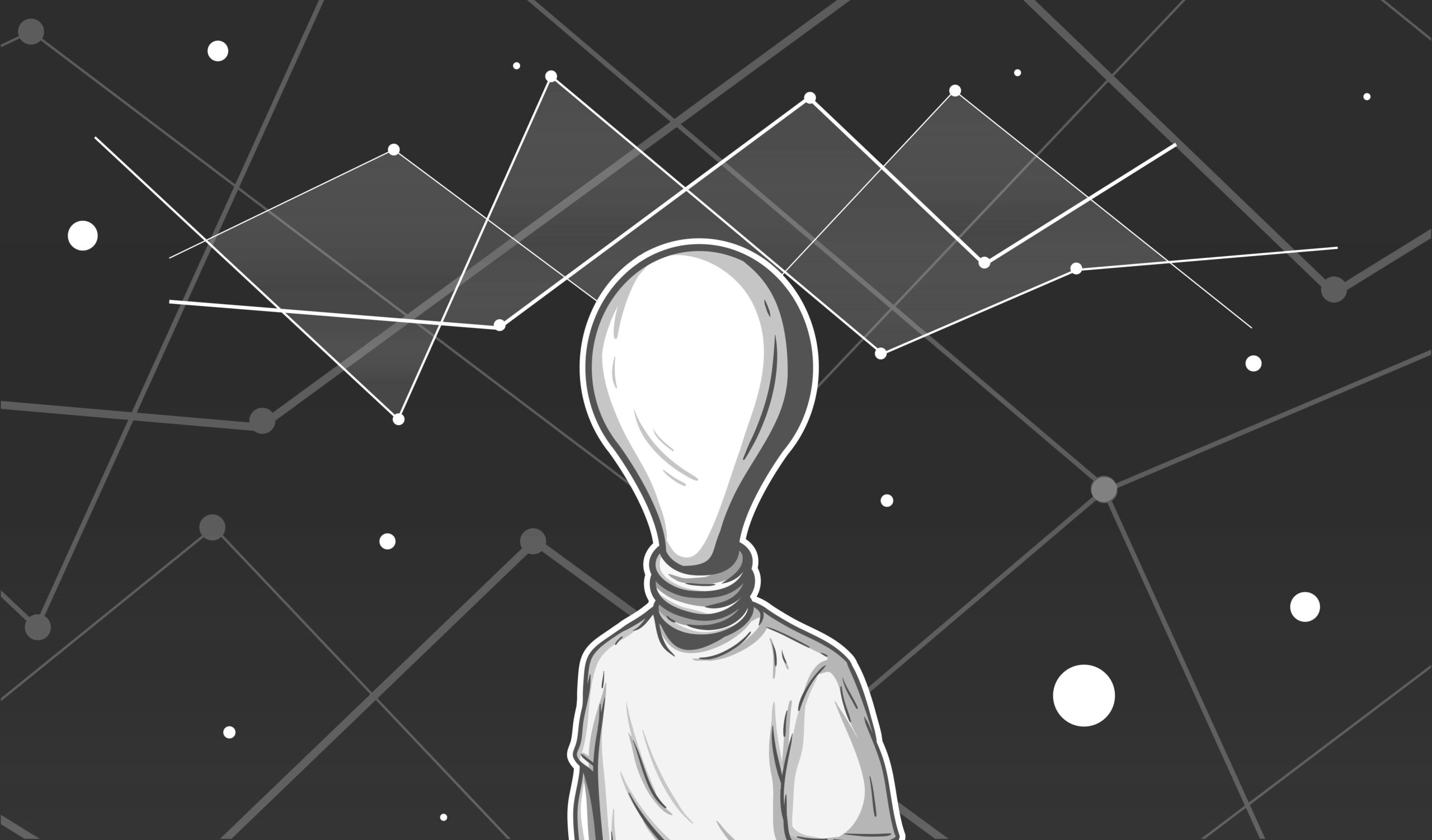
There hasn’t been any economic, technological, or behavioural trend in our lifetime that has sought to subsume and erase the very essence of what makes us human as LLM-powered AI

They are necessary ingredients on the journey of personal growth
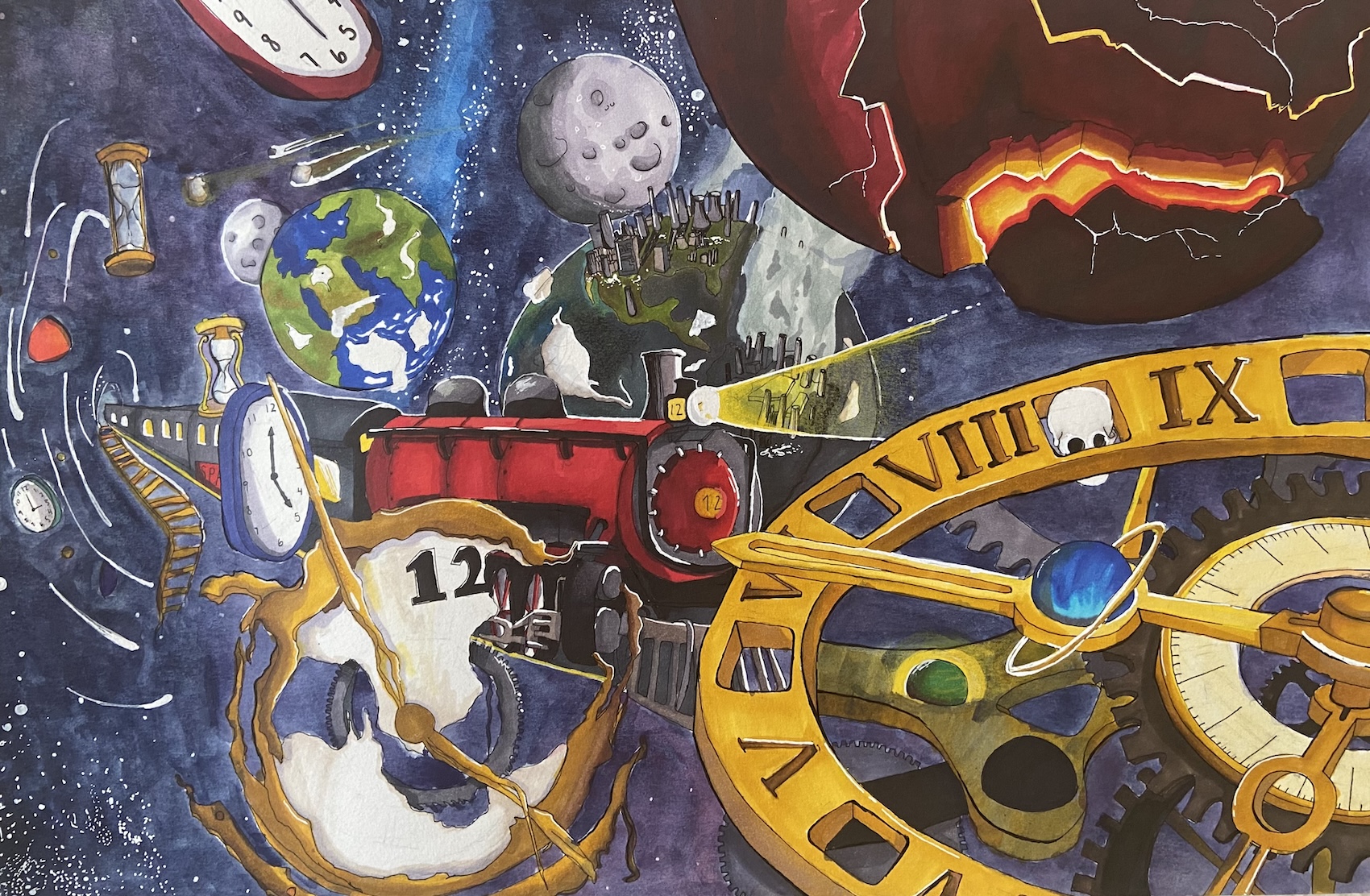
Mental time travel is one of the true “superpowers” that human beings possess

Friction isn’t “good” or “bad”. It just is. It’s up to us how we see it or use it in specific circumstances

“When a streak becomes the goal, it ceases to be a good streak”
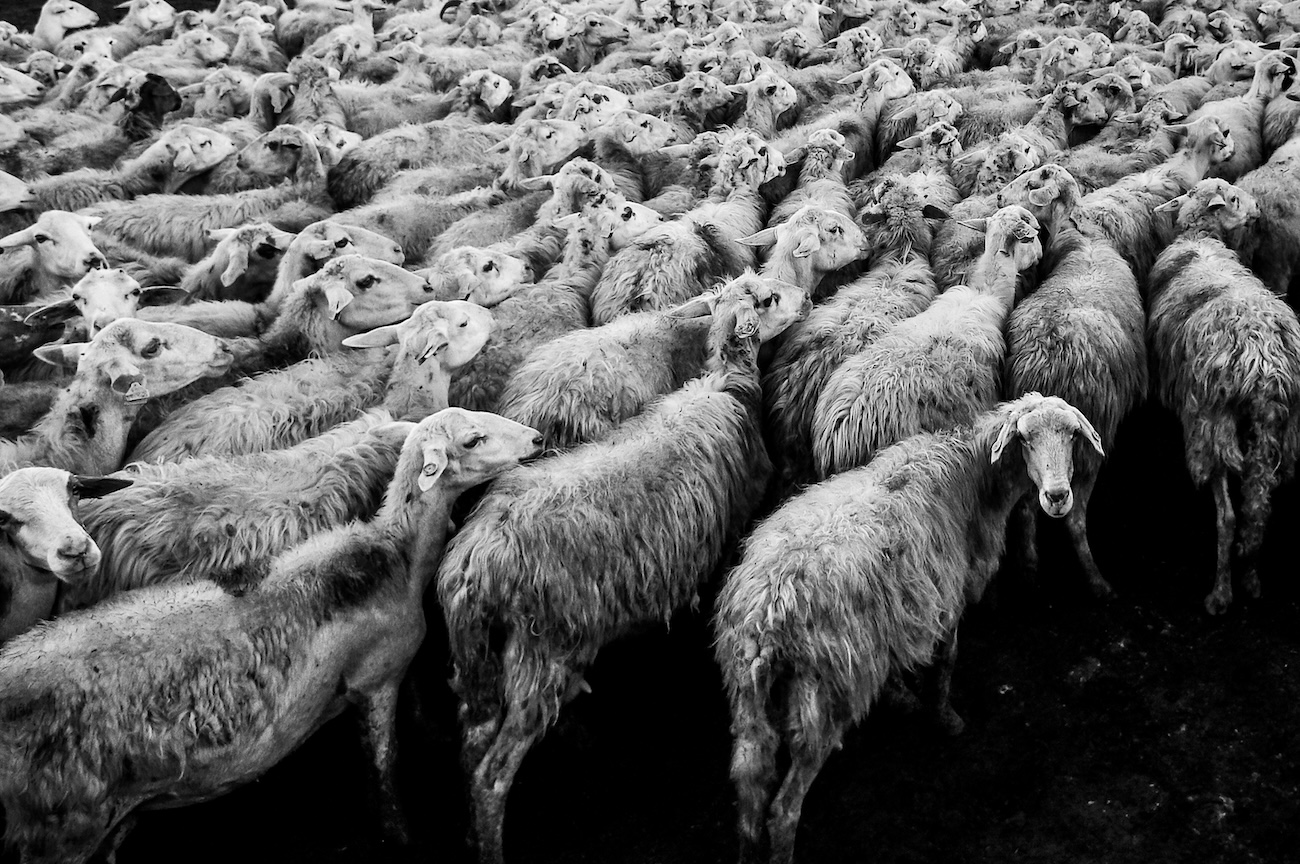
Many of the mega trends we’re facing today force us to choose between staying distinct and picking a side
Flipping the POV allows us to imagine how significant our impact might be from the other side

Also featuring your usual weekly fare of books and photos from the FP community

An authentic and deliberate human decided to do something most others would never do. And in doing so, she bypassed my normal filters

Our bodies cross over from young to old much faster than our minds do

Greatness attracts more greatness—it's a cycle

Seeing the world constantly through limitations and scarcity—too little money, too little time—can make us timid, greedy, and non-cooperative
Who do we write for? Why do we write?

The length of the employee-employer relationship has been falling and will most likely continue to do so. What if we embraced it?

Consistency is overrated over the course of our careers

When you work in private, you inhibit your own ability to grow

We used to think of careers as ladders. But they are really like lattices

Having a professional career that lasts roughly 40 years—from your early twenties to your early sixties—is not a given anymore

Being able to guess what someone is about to say is a lead indicator for what often follows as a lag indicator—boredom
Editions 27 to 75

Why shouldn't we use our learnings from the year gone by to decide how we want to change ourselves?
The ability to see the world from an alternate perspective is a very powerful tool

We should want the same mentoring, opportunities, and growth that others might be getting. And we should be unafraid of asking for it

“Where in our upbringing, our schooling, our career are we explicitly taught to value, to enjoy, even to love the plateau, the long stretch of diligent effort with no seeming progress?”—George Leonard

Nothing is keeping this trooper down

Last Sunday, we asked you for your thoughts on gifting. Not just about ideas for gifts, but philosophies, budgets, and emotions too. Nearly 500 of you told us. So, now, we’re telling you. Merry gifting!

What would make for the best gift this year?
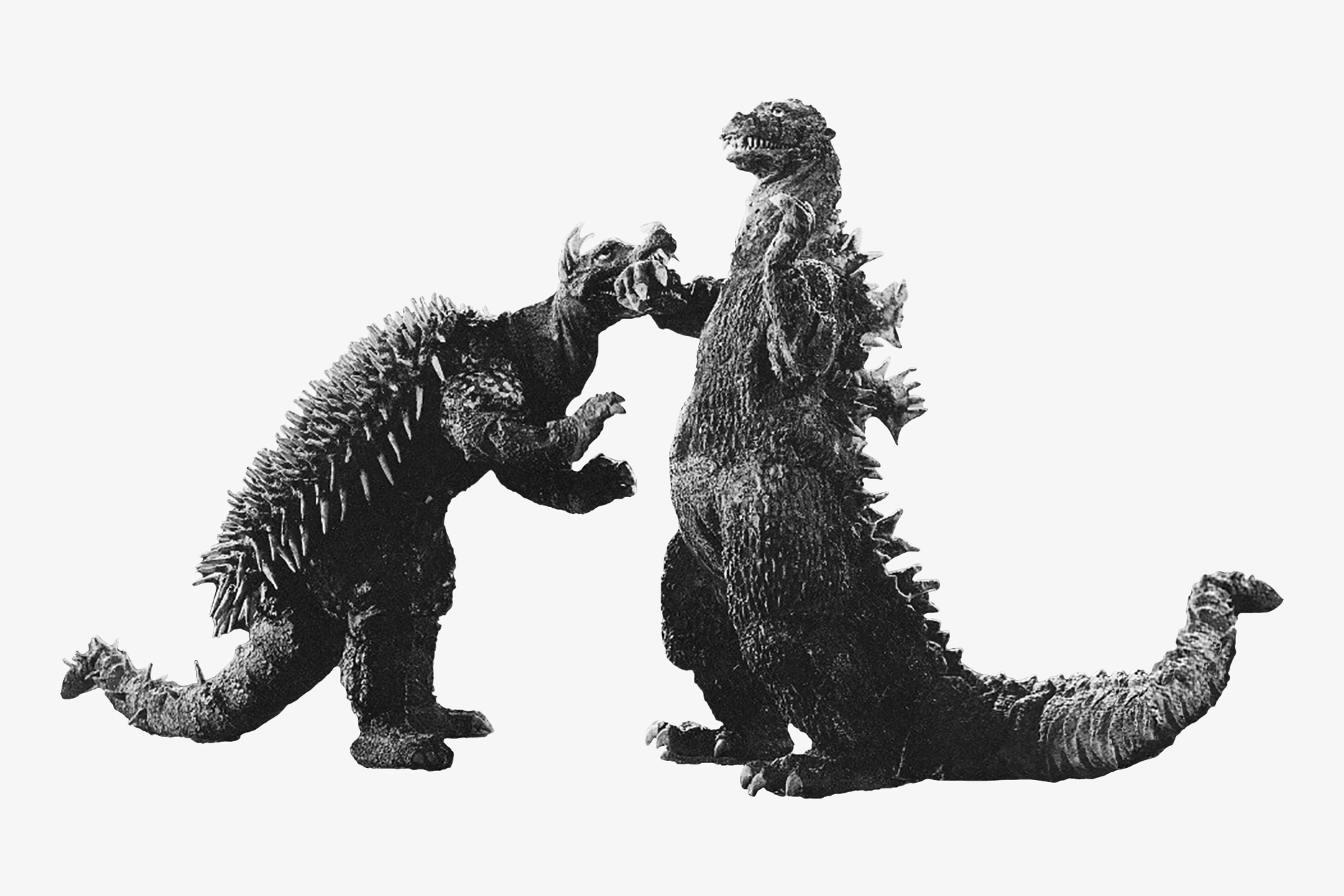
It's a superpower to be able to attempt things at which you failed again and again till you succeed

What’s the hardest thing to teach your kids? What are the risks? The rewards? What does parenthood even mean? Answers to these and many more questions—from over 450 parents across the world

If breakthroughs are the outcome, frustration is the process. If resilience is the ability, then frustration is the necessary ingredient
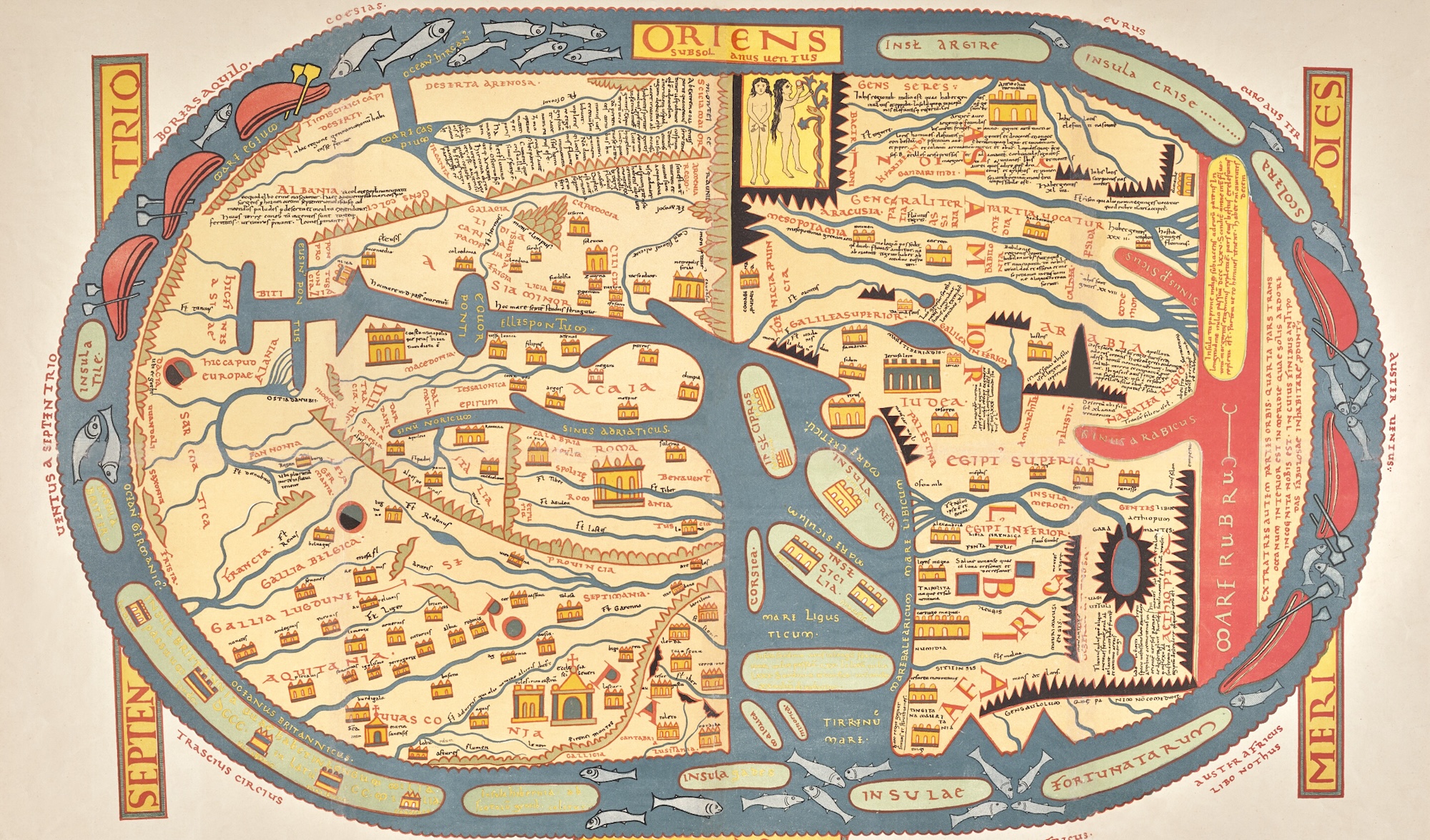
Maps and models are abstractions, not reality. Forgetting that can lead to a few surprises

Books, listens, and assorted clicks

It can be hard, even daunting, for the young to develop conviction. But it is something you need to build with repeated usage

Think about all the times you’ve asked your colleagues or friends for feedback on something that was important to you? What was your success rate?

Once you accept that literally everyone procrastinates, you realise you can let go of the guilt of doing it yourself. And once you do that, you can do it more consciously, with agency

The First Principles community on the most joyful things they've "invested" in

In creative professions and startups, you could have all the world as your TAM. But if you do not have the people, passion, and ambition, it’s all quite pointless
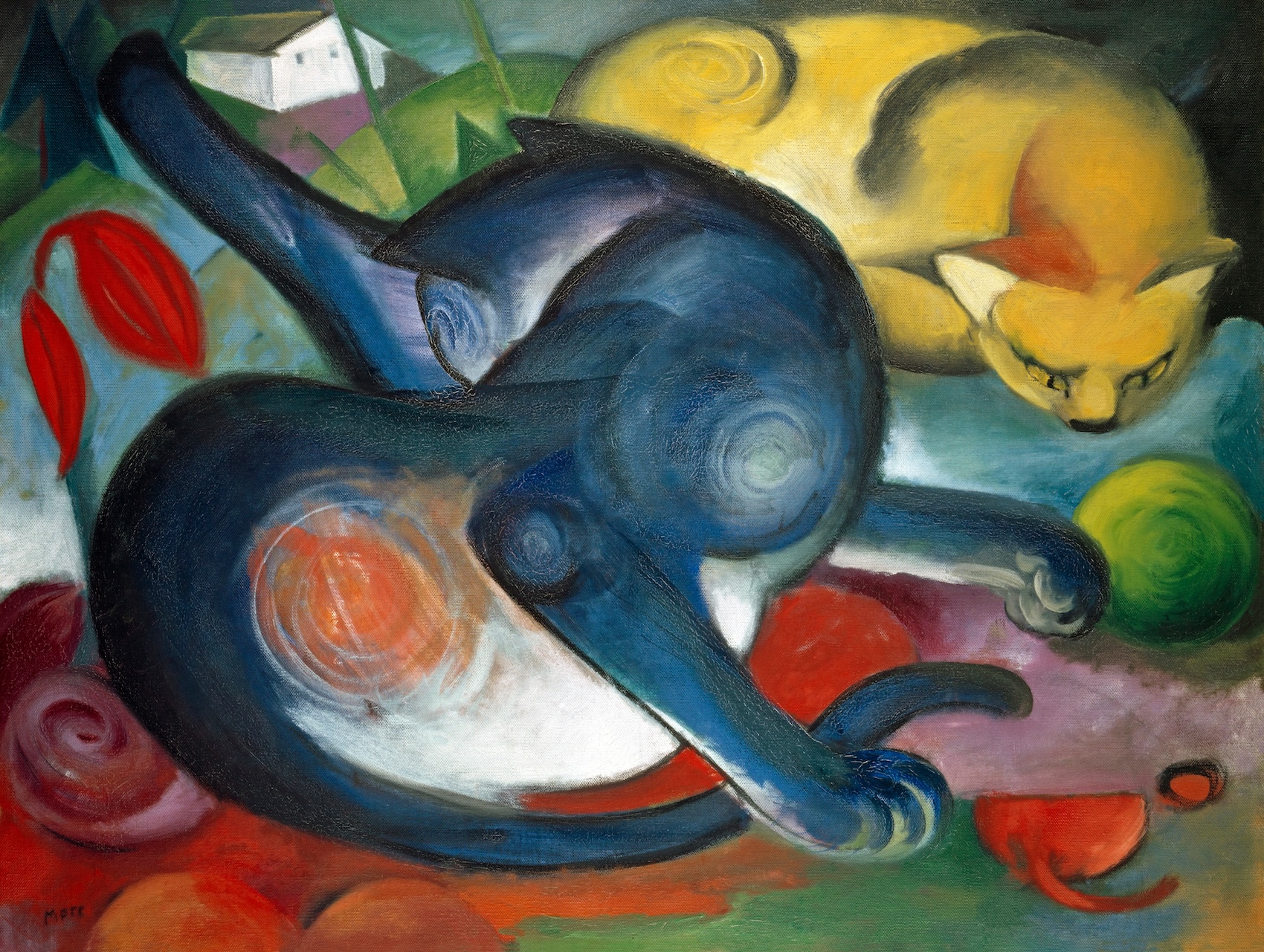
And also surveys, community specials, new listens, and some great reads

Self-discovery requires us to be self-aware first, as professionals. Sadly, so few of us pay heed to ourselves
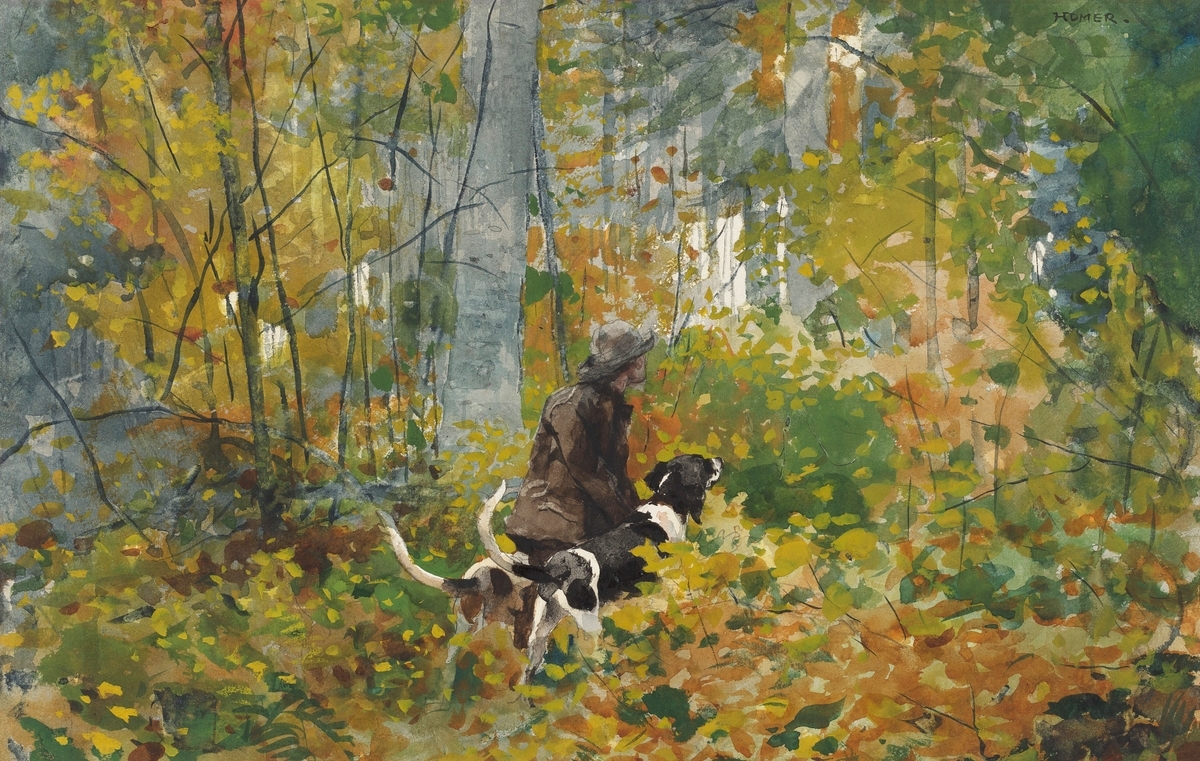
"Can you force yourself to be interested in something?"
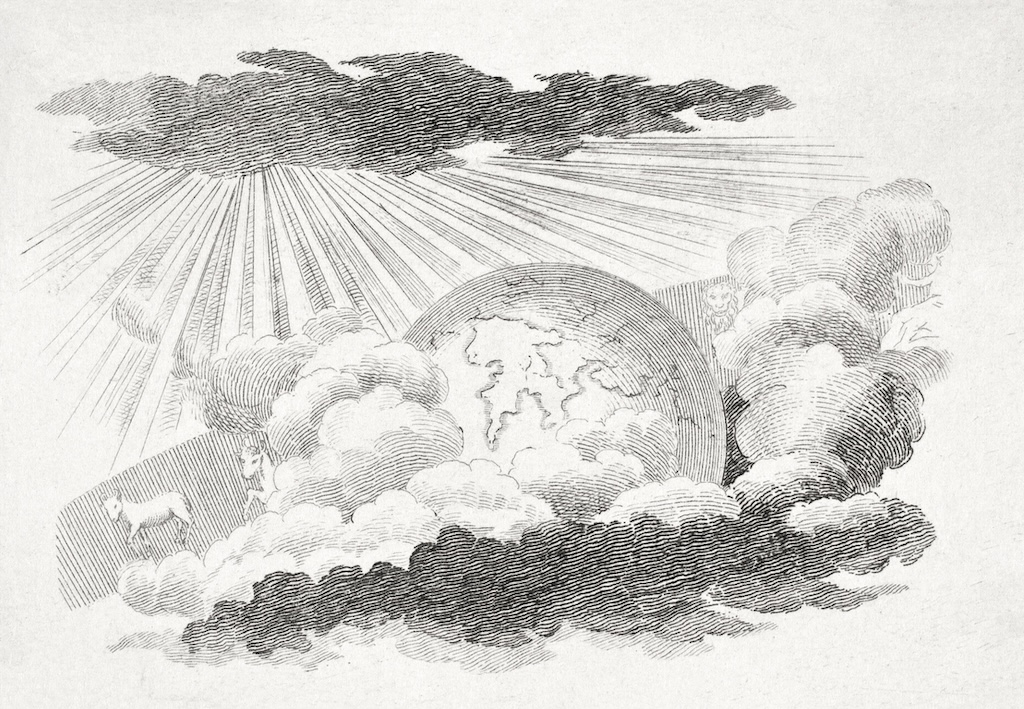
The best first step to building momentum is a great first impression
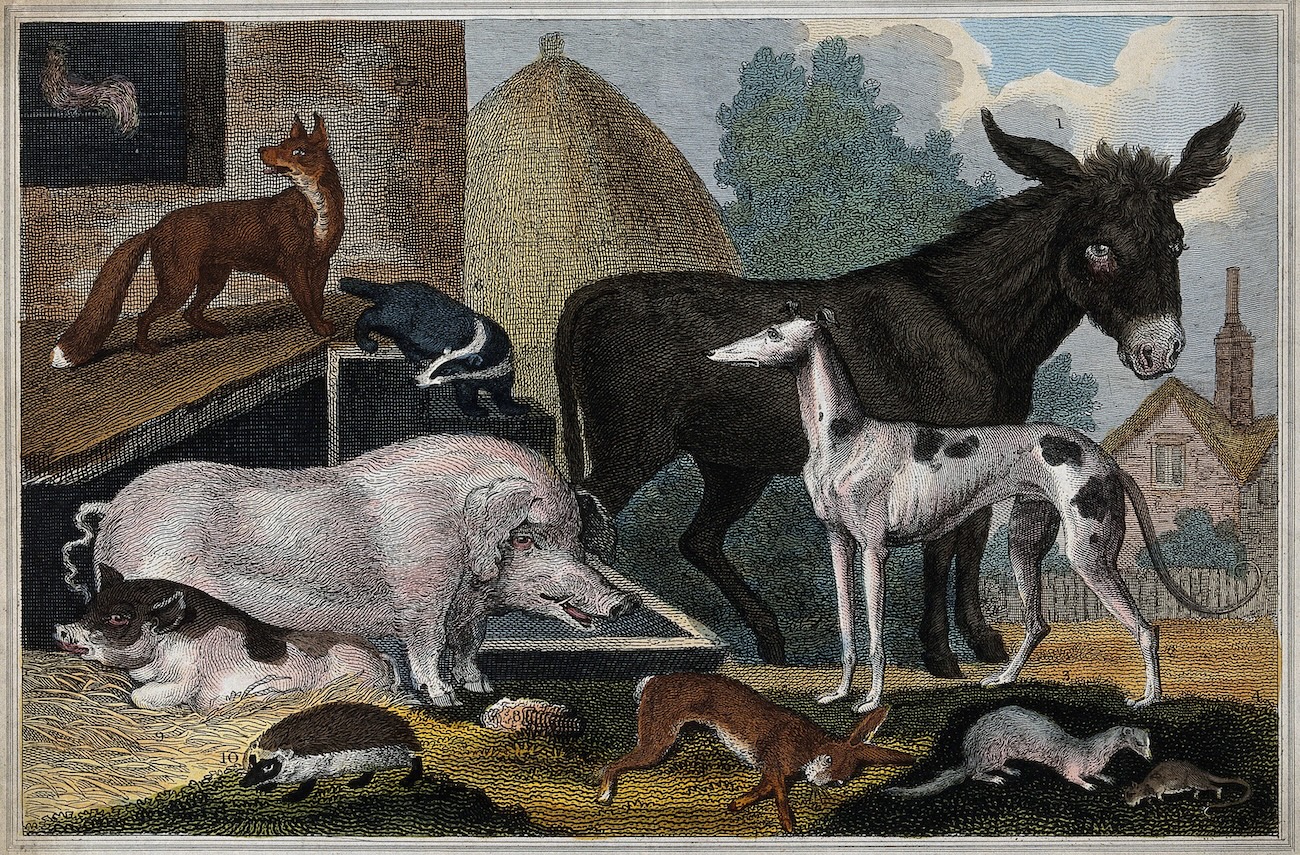
We see no hypocrisy in people who don’t eat certain meats or fish if that decision was made in some book thousands of years ago. But when people exercise their own logic to decide what they will and won't eat, we are quick to attack them

Most of us want to start new things, meet new people, learn new skills, set new records, and generally shake things up. But it's virtually impossible to do it all on an ongoing basis without burning out

We're kicking off our second Community Quest today!

Who said we can't change the game we play? Who said we can't rewrite its rules to suit our strengths? Who said we should continue playing games we don't enjoy? No one

Whether it's starting up or switching careers, momentum is more important than initial success

I was exhausted after last Sunday’s supermega Fitness Quest edition, but what charged me up happened the very next day. And it took less than 45 minutes
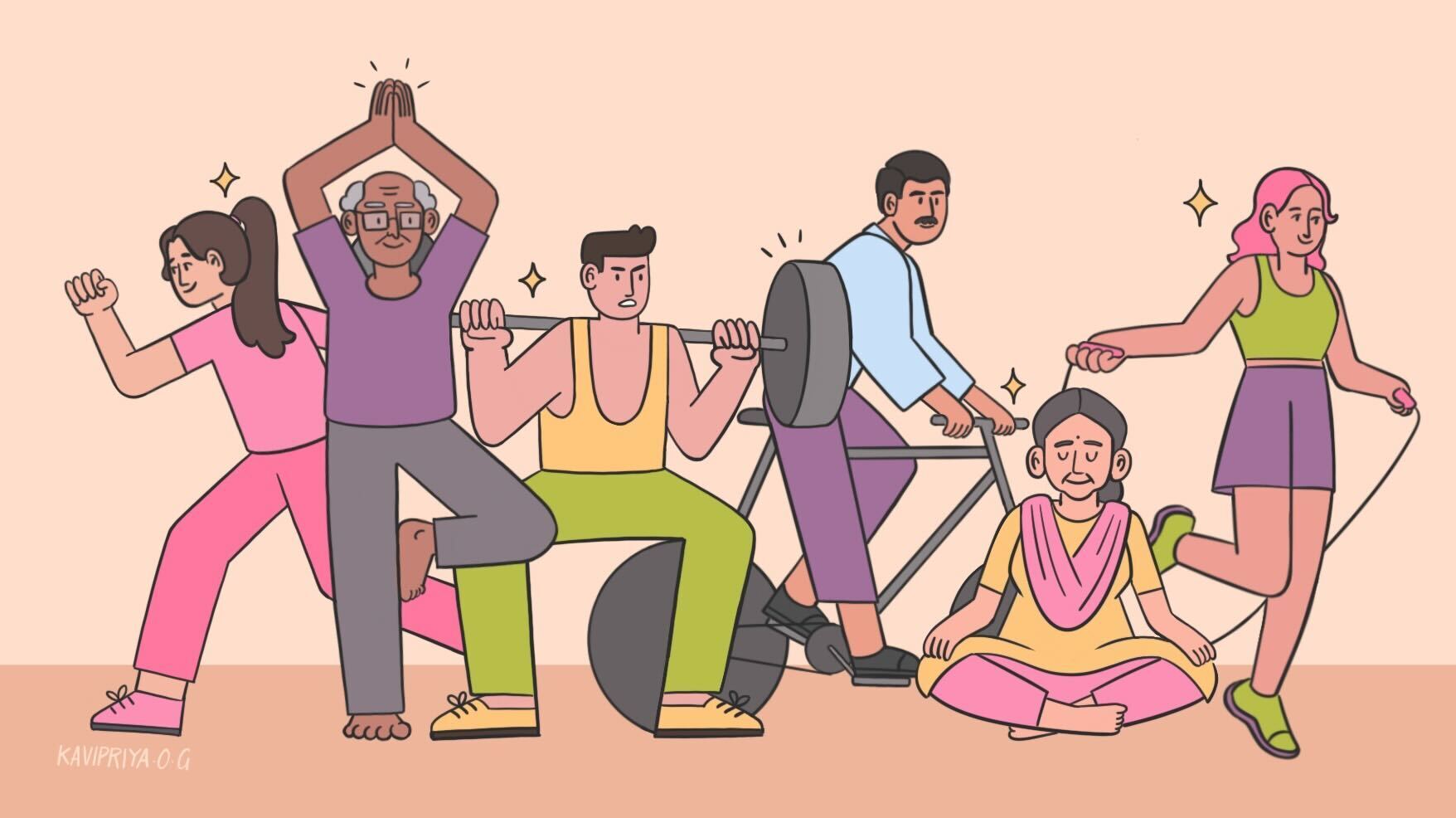
Three hundred and seventy-nine of you took our Fitness Quest survey, and I went through each one of your responses to see what patterns emerged. Here's what I found...

Often, the things that daunt us the most are also the things that excite us
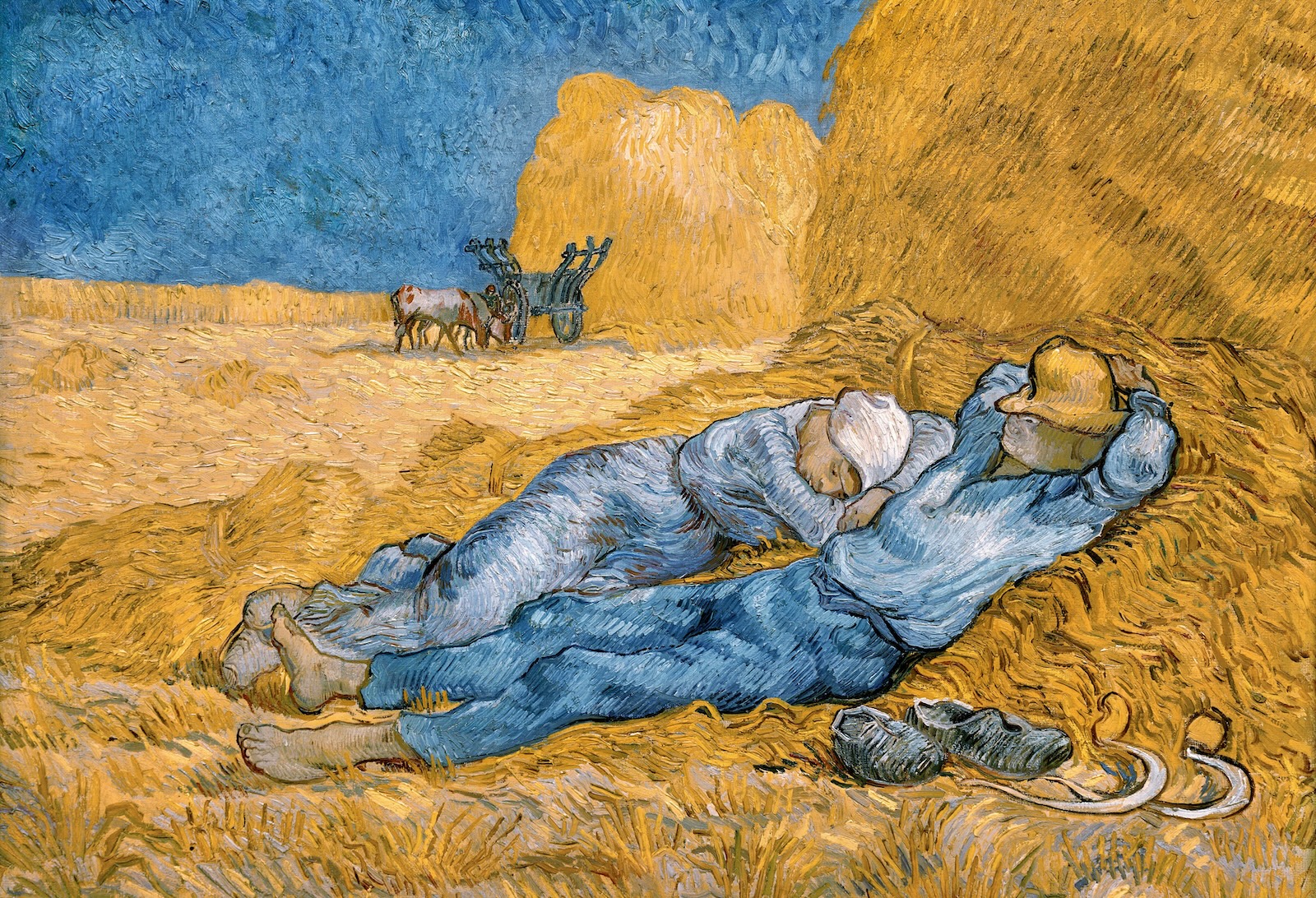
We need to recognise that growth isn’t a perennial reality. It follows stages where we, figuratively, tilled the soil, planted seeds, watered the fields, waited for the rain, added fertiliser, removed the weeds
Asking good questions is both an art and a muscle

We have a summer special for you this Sunday

Don’t be defensive about being a contrarian. Your ability to think different will be what differentiates you
How best do we differentiate between a choice that’s a “Chekhov’s Gun” and a “Red Herring”?
Being surrounded by talented, ambitious, and friendly people can lift our careers over the long run much more than any one job or role ever can

A young professional entering the workforce today absolutely cannot take the next 10 years for granted
One of the secrets of Amazon’s continuing success despite its age and scale is the concept of working backwards
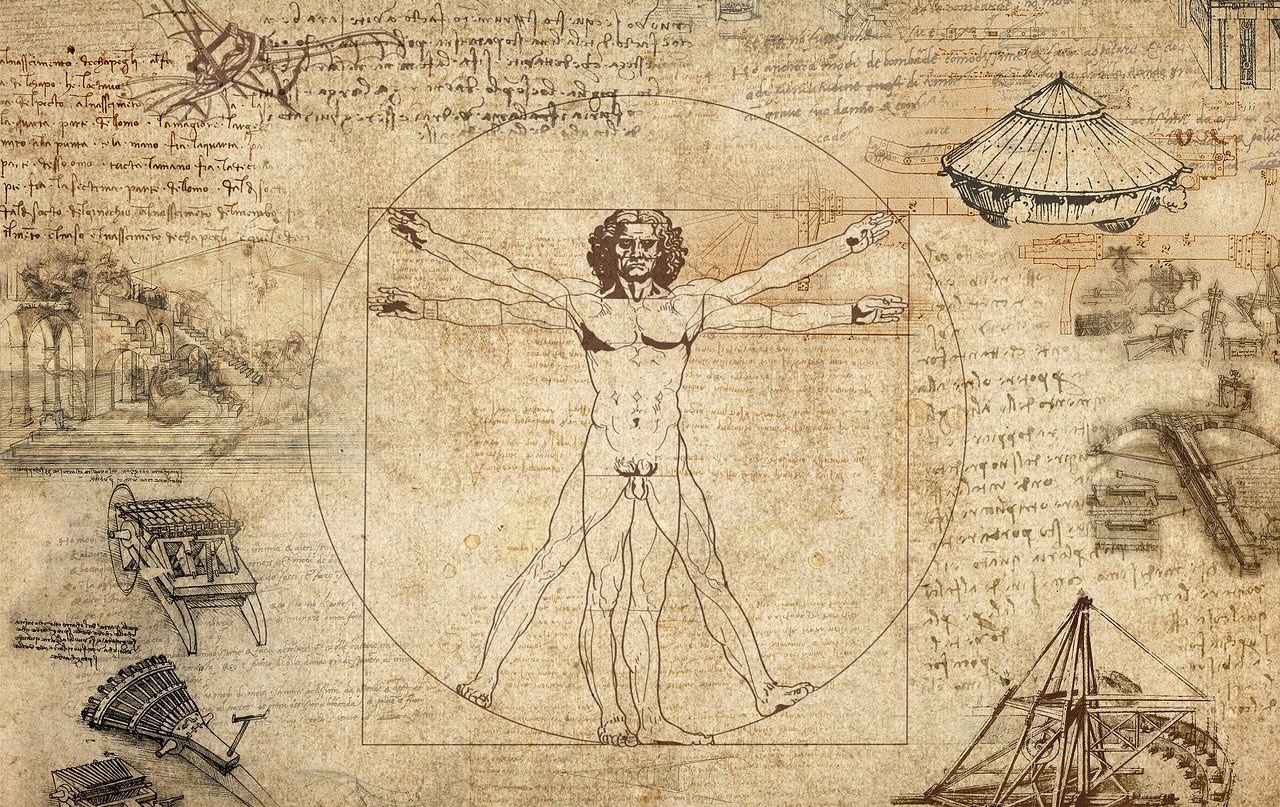
Certain aspects of human skill and endeavour may become simultaneously rarer and more valuable in a world where most things are machine-generated

Smart people often hold themselves back from questioning their own actions and beliefs, and in the process, from learning
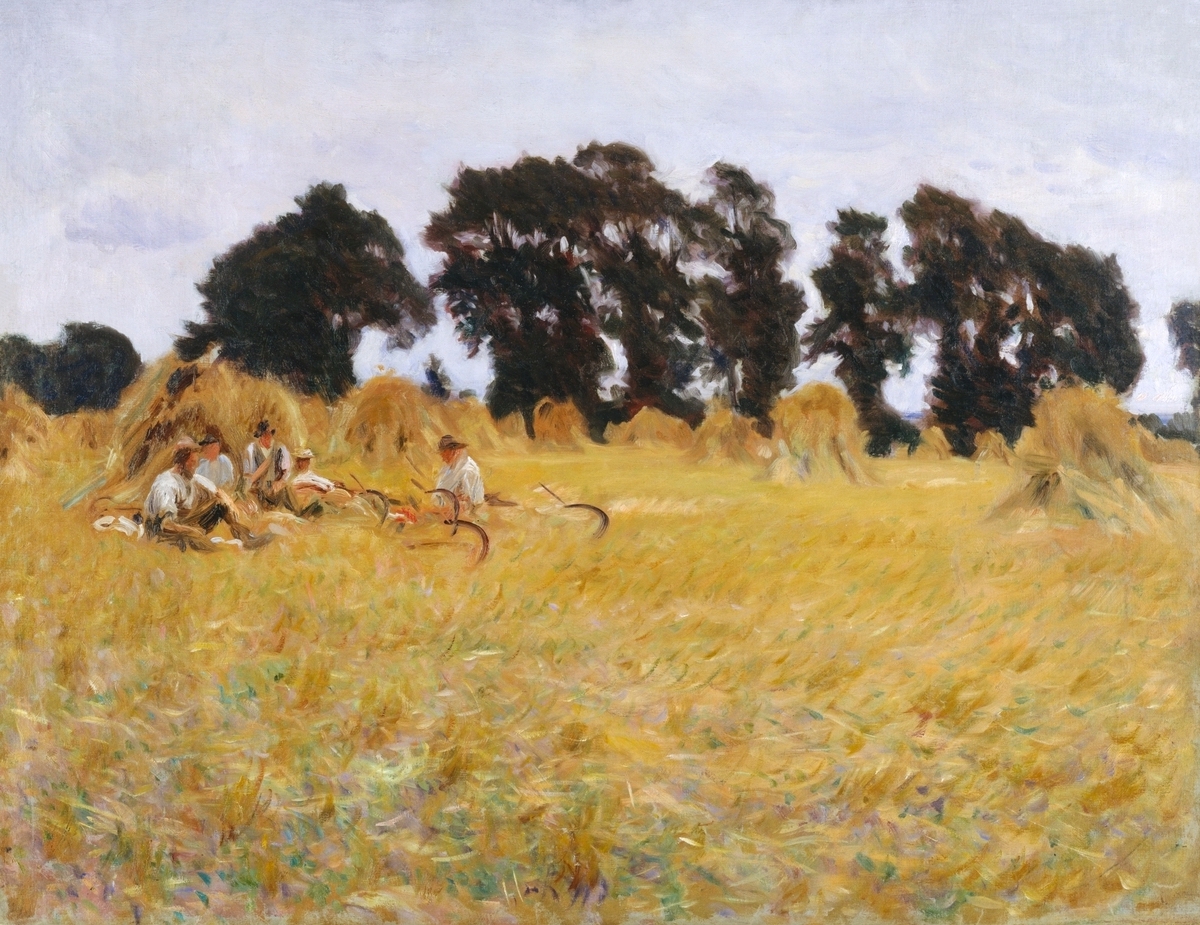
Being occasionally fallow is what allows us to be truly creative and productive at other times

By its very nature, emergence cannot be planned and created. But we can create systems that are conducive to emergence

“Writing forces clarity, especially around problems. And not just on a whiteboard, which is hand-wavy and not rigourous enough."
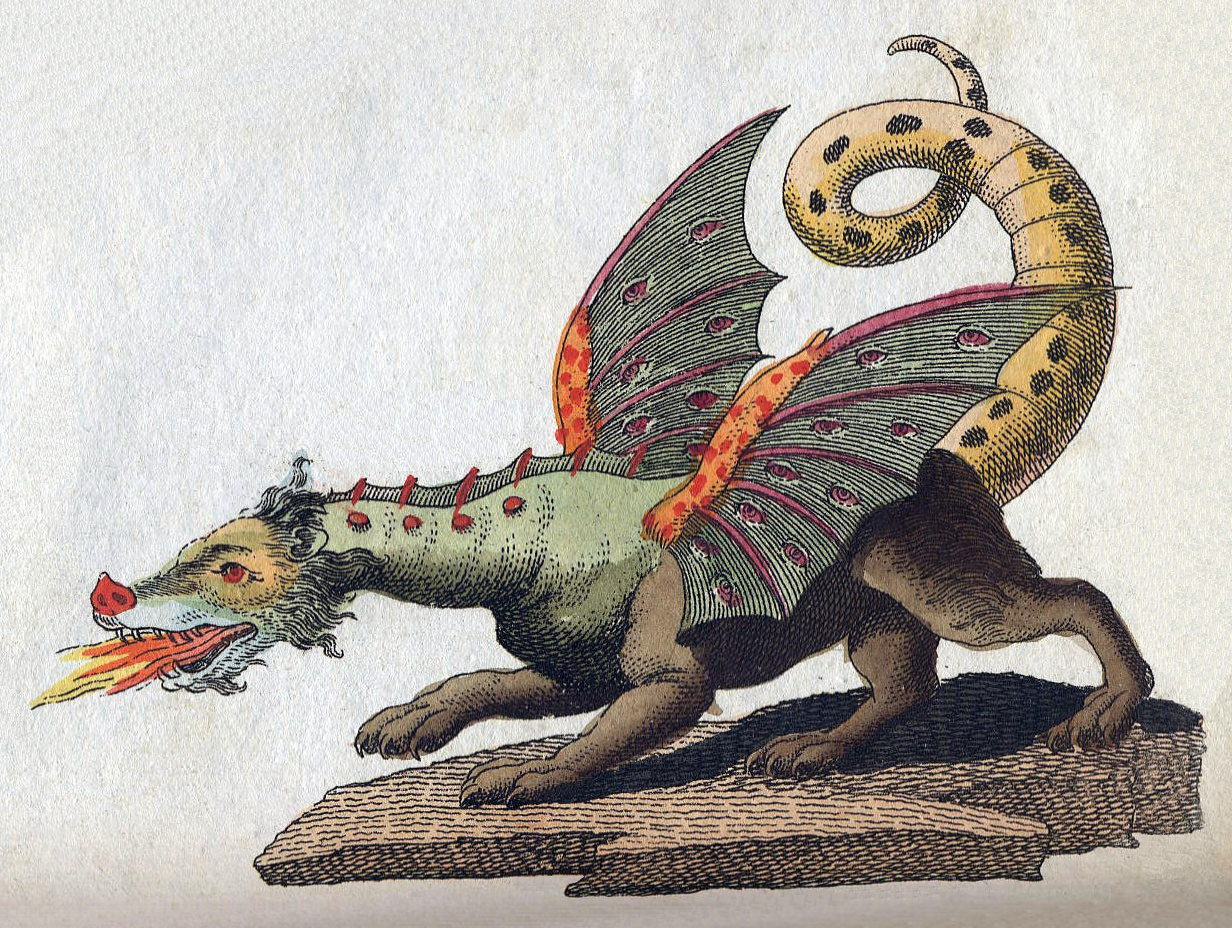
If beliefs are the force that move us from rest and take us in new directions, conflict is what happens when we come up against the constraints of growth and discovery

This edition, we set out to analyse and present the results of the community survey we did on the top three values we desire to live life by

A planned edition of First Principles every four to six weeks, where we collectively pick a theme that we’re interested in and try to generate the most interesting questions, approaches, learnings, habits, and recommendations

Embrace constraints, because imposing constraints on ourselves in the right contexts can actually help us do better
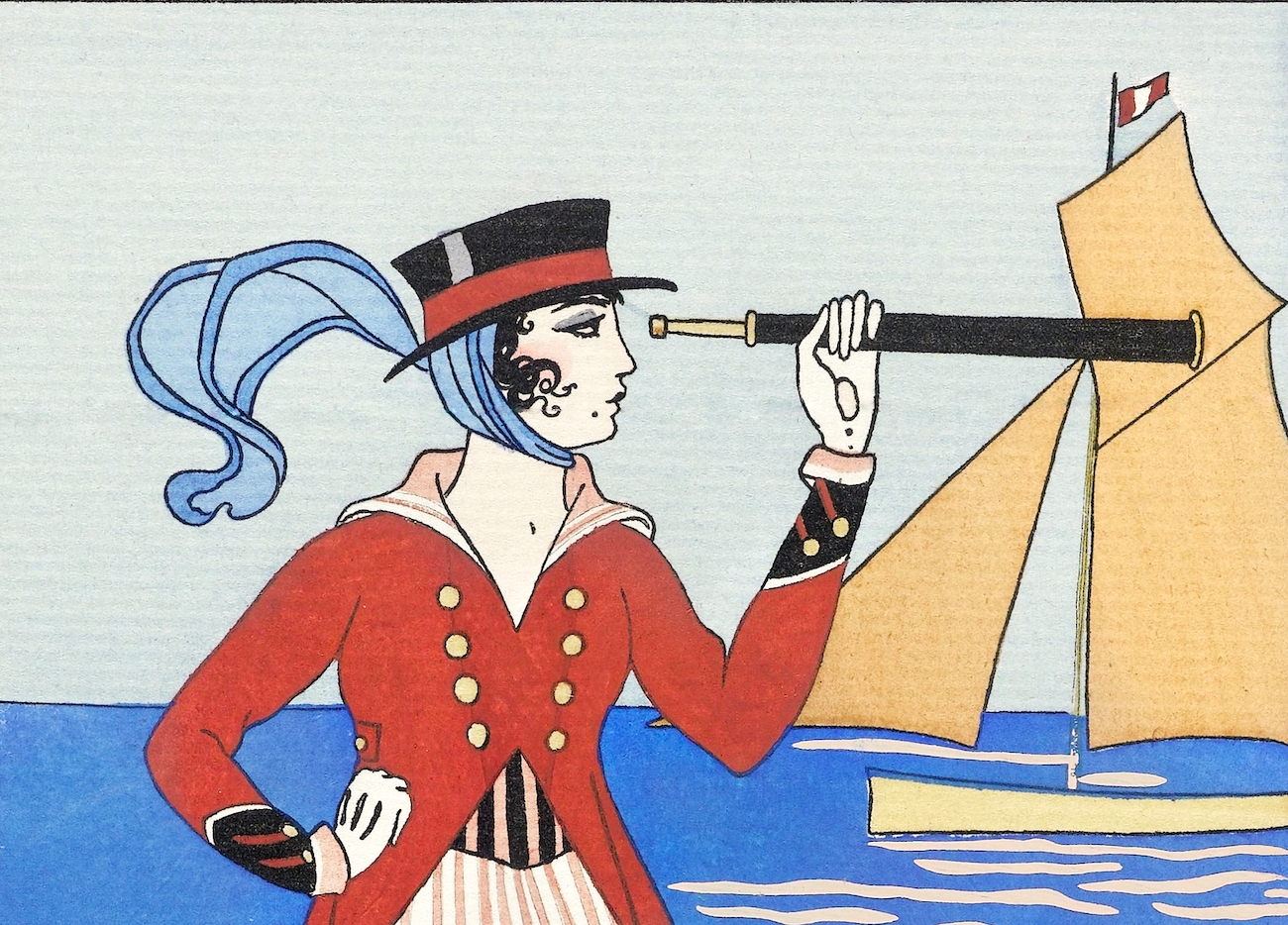
When we frame the next 10-20 years of our career or life as a journey, we no longer have the pressure to attain something in an unreasonable time frame
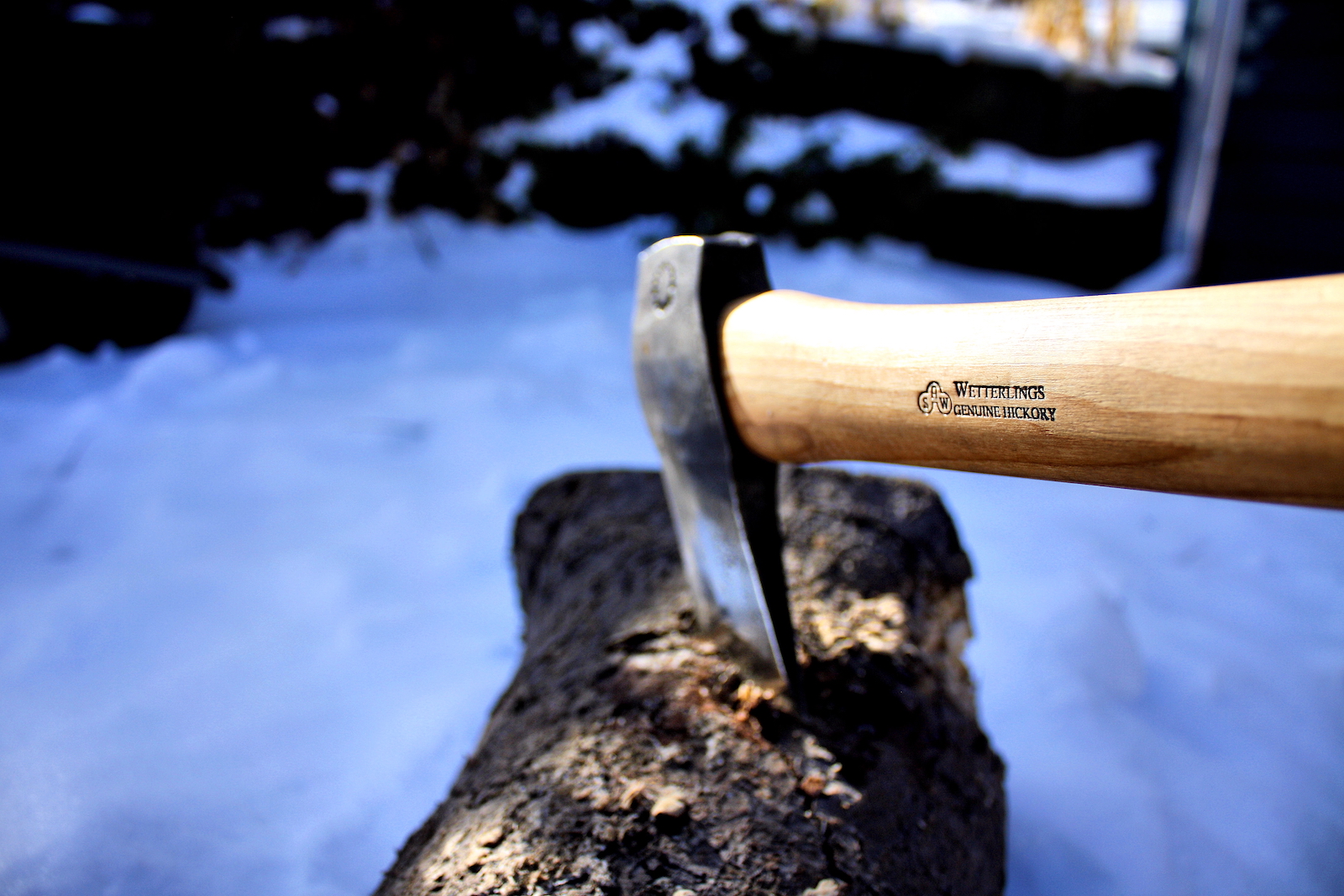
It is belief that fosters in us the urge to create. And actions are where beliefs are put to the test
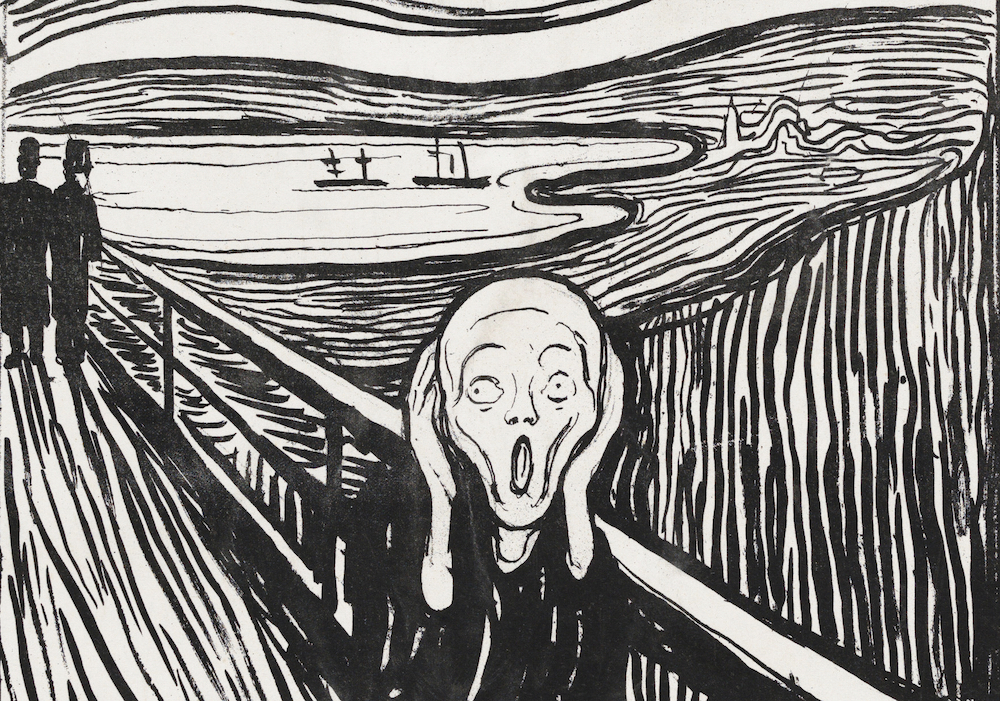
Each time our lack of belief is replaced with someone else's belief, we slowly give up the need to believe—and that’s a recipe for stagnation and frustration

Next year, the common theme running across most new ideas and innovations you will see in the First Principles newsletter and podcast will be Community

Everyone can come up with shallow solutions. But no one can generate valuable problems

We need a mental map of what we think the future might look like, so that we can plan on getting there the way that we want

Don’t run away from dilemmas. Instead, make better decisions by creating and then resolving them

"If you don't know where you are going, any road will get you there"

Often, the seeds of exponential and non-linear growth lie in places that aren’t already in our paths
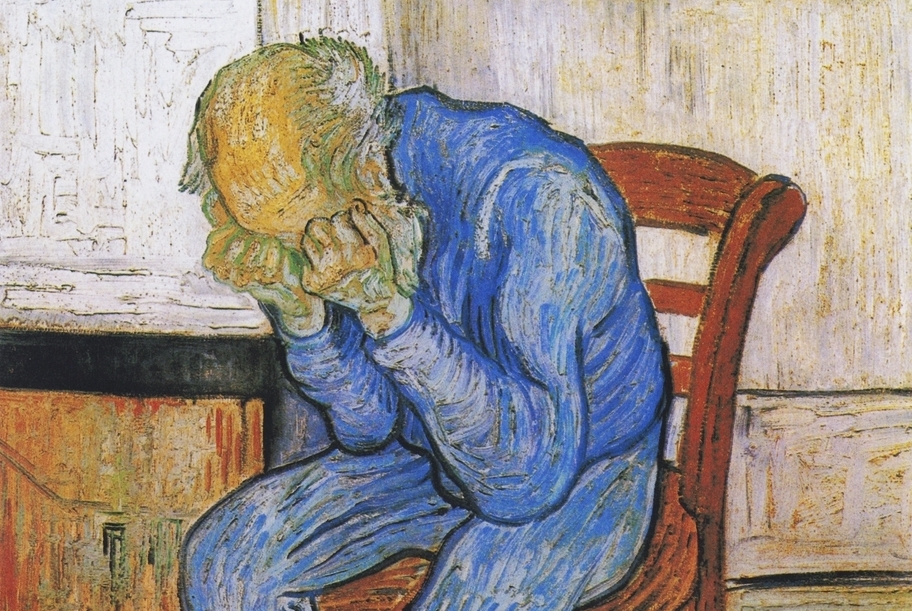
Also, what are emotions doing in our decisions?
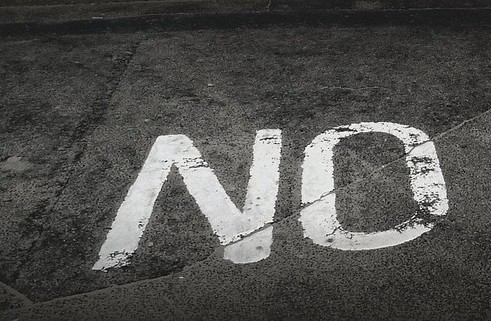
Our discomfort at saying just “no” without having to explain ourselves comes back to guilt
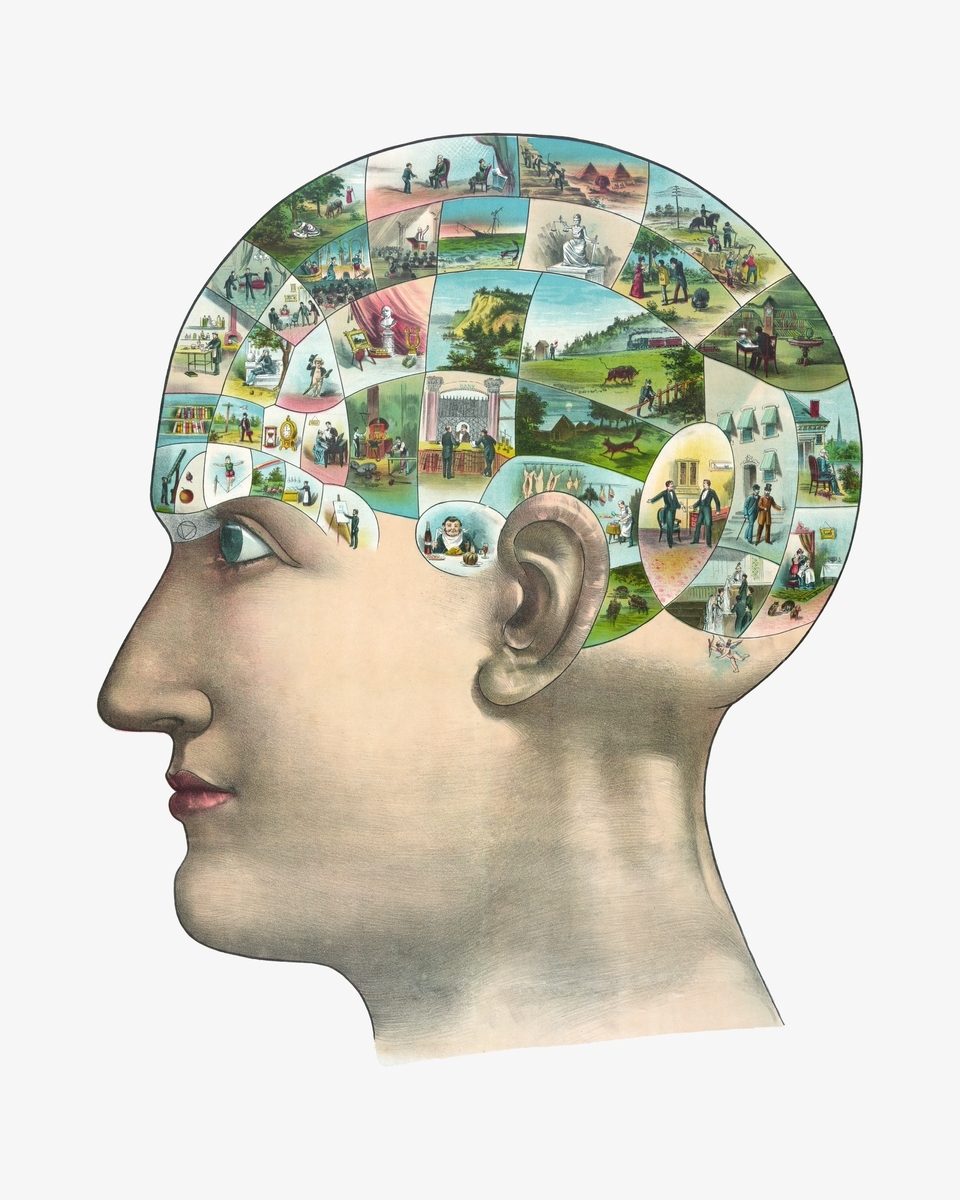
These are financial concepts, typically not applied to talent. But some people do

Intuition exists in all of us, but very few consciously recognize and listen to it. Fewer still are able to harness it as part of their active decision making
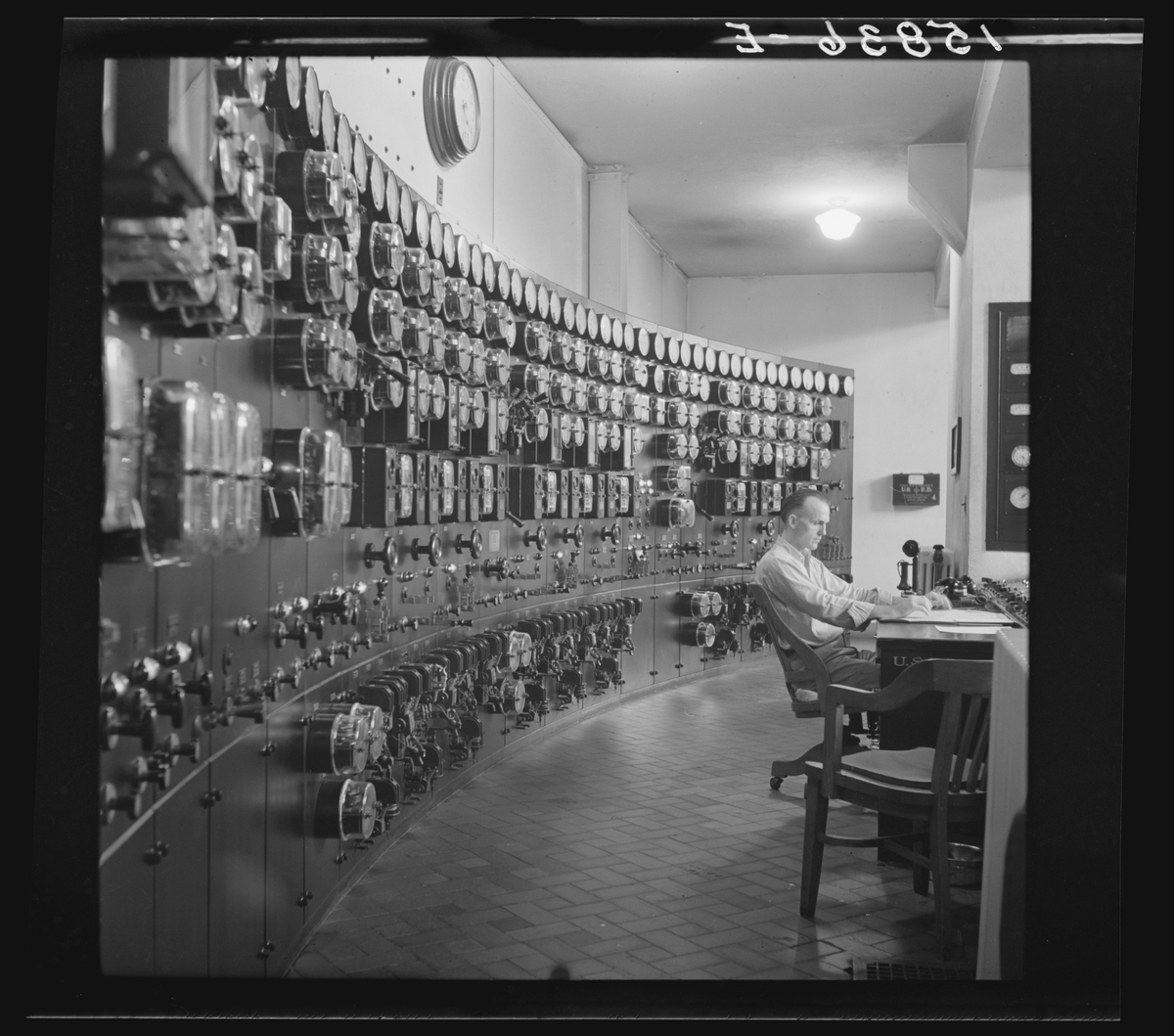
How do I explain this decision to a stakeholder ?

“There is a tendency for us to either play defense or cut costs during bad times, or coast along in the good times. It is important to do the opposite”

Knowing what you’re truly bad at is a liberating experience. And it makes it easier for you to become better at the things you’re good at

"When you start with constraints, you build much less than you can”
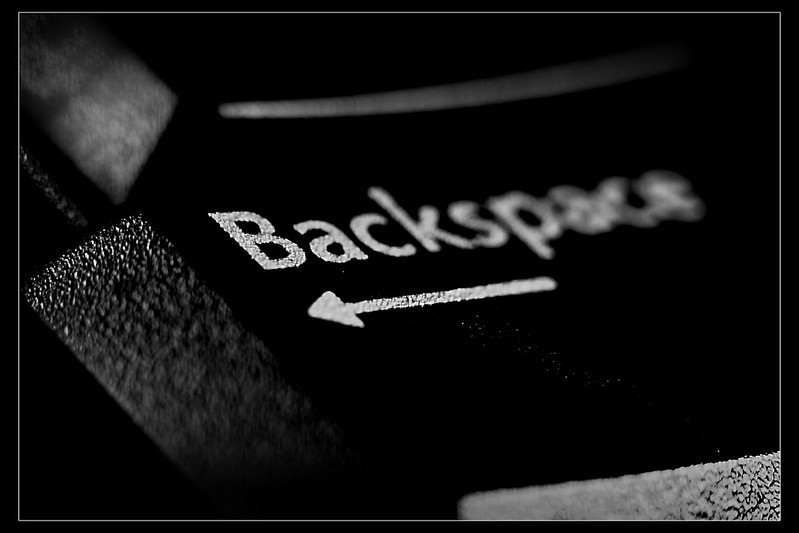
Subtraction is a powerful decision-making tool because it forces us to think about two things very clearly—constraints and outcomes

Conversations are how we innovate, deliberate, negotiate, and decide on things

Instead, double down on your own innate strengths

If a storyteller’s vantage point affects the story, wouldn’t a decision maker's vantage point affect the decision?

You'll only end up creating me-too products that rivals have already built or can easily copy

Many hard problems are solved only when they are addressed backward

The world we live in today isn’t short of data. Gather enough of it, and it will always throw up insights that look tempting to act upon
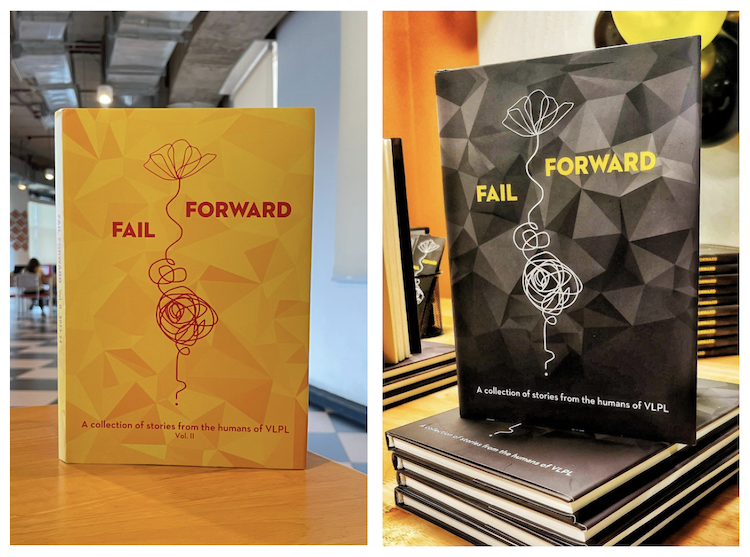
Failure isn't an obstacle to our success, but a prerequisite
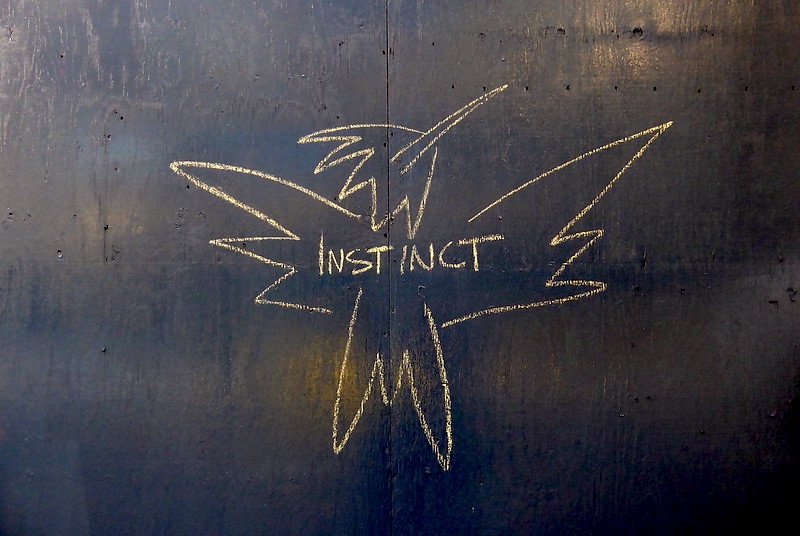
“We have to learn to trust our instinct and gut”

"Making peace with the worst-case outcomes is important to ensure you don’t shy away from taking bets"

Ignorance is usually assumed to be a bad thing. But that’s a one-dimensional view of it
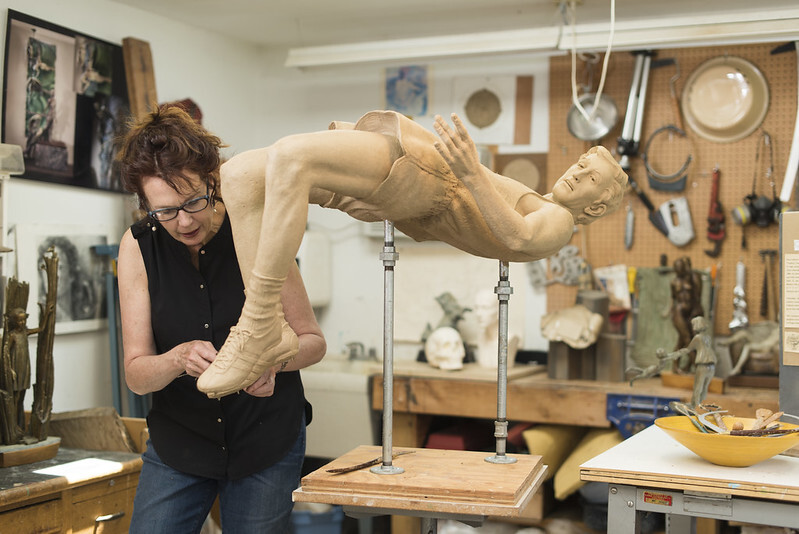
Most of us are good at analysis, not so many of us are good at synthesis. First Principles thinking requires both

By continuing, you agree to our Terms of Service and Privacy Policy

“There's no greater gift than thinking that you had some impact on the world, for the better.”
– Gloria Steinem

Our anti-piracy system has flagged your account for suspicious activity and has temporarily paused your account. This may happen due to a number of reasons.
If you think that this was done in error, please get in touch with us at [email protected].